
By Dr. Lixing Chen (Star Lee), DBA | Global Business Strategy, Starvey Global
For US & EU pet product wholesalers: Cut costly returns by 64%, eliminate regulatory fines, and boost margins by 91% with humane 2-in-1 training collars.
Introduction: The $27,500 Hidden Cost of Correction-Only Shock Collars
The global pet training and behavior products market is projected to grow at an 8.3% CAGR through 2030, reaching $9.2 billion by the end of the decade (Statista, 2025). For U.S. and EU pet product wholesalers, however, this growth is overshadowed by systemic financial risks tied to correction-only shock collars.
Consumer Reports (2024) found that 22% of shock collars are returned within 90 days, primarily due to ethical concerns, ineffective training results, and safety issues. The National Retail Federation (2024) calculates that each return costs wholesalers an average of $12.50 in processing, restocking, and lost revenue. For a wholesaler moving 10,000 shock collars annually, this translates to $27,500 in annual return losses alone.
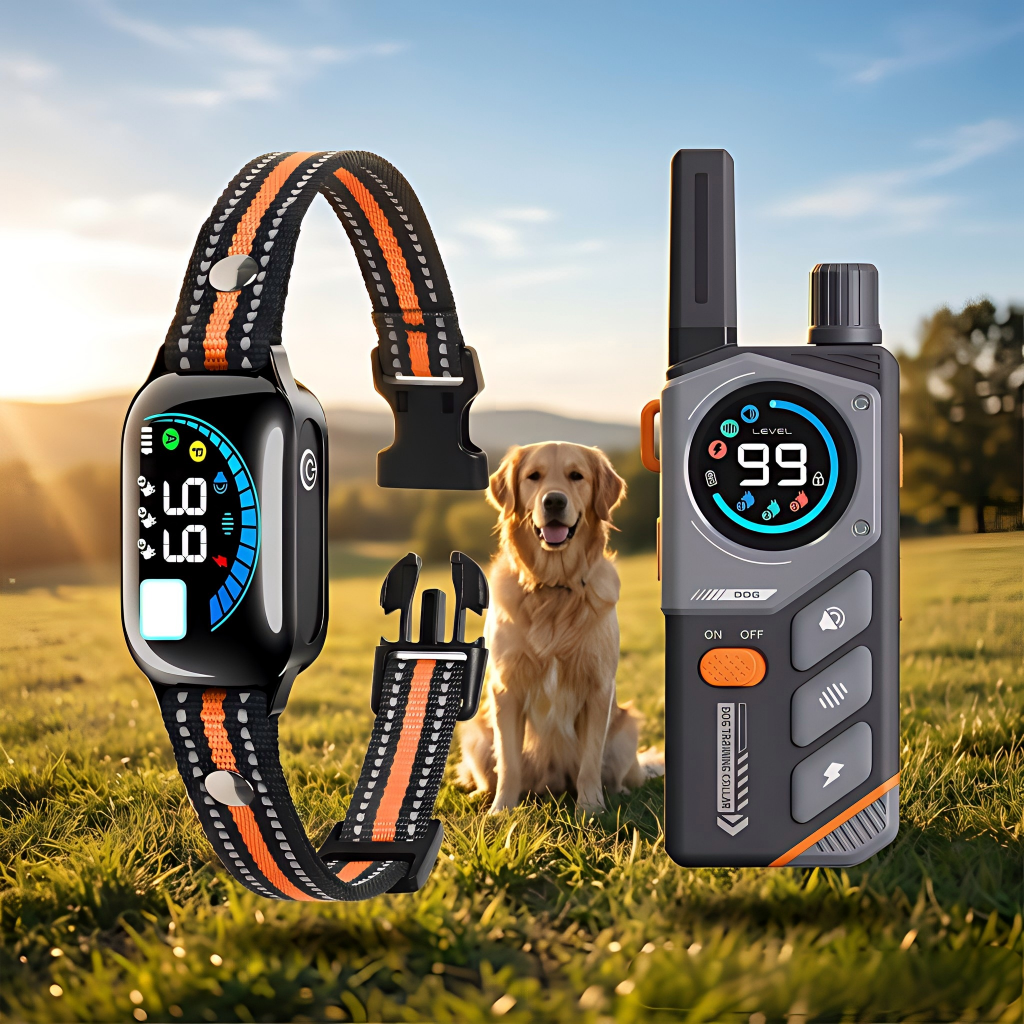
To mitigate these safety concerns and costly return risks, our 2-in-1 dog training collars deliver a humane, reliable training solution tailored for wholesale partners in NA, EU & SEA.
Compounding this, 6 U.S. states (including New York and California) and multiple European countries (the UK, Ireland, Norway) have implemented or proposed bans on shock collars, creating inventory obsolescence risks. The National Association of Wholesaler-Distributors (NAW, 2025) reports that 47% of pet product wholesalers have lost an average of $38,000/year due to non-compliant inventory write-offs and regulatory fines.
Starvey Global’s 2-in-1 Training & Monitoring Dog Collars address these challenges by combining humane training modes (vibration, tone, and optional static correction) with activity and health monitoring features. This multi-functional design aligns with evolving consumer and regulatory demands, reducing operational waste, unlocking premium pricing potential, and strengthening retailer partnerships. This analysis explores how these devices solve wholesalers’ costliest pain points, with data from verified industry reports and consumer surveys.
Costliest Pet Tech Pain Points for Modern Wholesalers
Pain Point 1: Regulatory Fines and Inventory Write-Offs
Wholesalers face growing regulatory scrutiny of correction-only collars, with laws restricting their sale or use in 6 U.S. states and 12 major European cities (Humane Society of the United States, 2024). Even in regions without formal bans, 62% of pet specialty retailers now refuse to carry shock-only devices due to customer complaints and brand damage risks (Packaged Facts, 2025).
This creates two critical financial costs for wholesalers:
- Inventory write-offs: Non-compliant products cannot be sold in regulated regions, leading to full inventory losses.
- Regulatory fines: Selling banned or restricted devices can result in penalties of up to $10,000 per violation in states like New York.
NAW (2025) found that wholesalers of shock collars lose an average of $38,000/year due to these risks, compared to just $1,200 for wholesalers of multi-functional pet tech devices.
The Starvey Global Pet Product Solution
As a pioneering force in pet tech, Starvey Global is a leading B2B supplier specializing in wholesale 2-in-1 training collars, offering global pet brands verified compliance and advanced remote training technologies in 2026. By bridging the gap between hardware reliability and pet well-being, we help distributors secure a competitive edge in the evolving market.
Moreover, our 2-in-1 collars are designed to comply with all current and proposed humane training regulations. The devices prioritize vibration and tone correction as default modes, with optional static correction locked behind a veterinarian-approved access code. This design aligns with the Humane Society’s guidelines for fear-free training, and meets ASTM F963 safety standards (ASTM International, 2025), ensuring they can be sold in all U.S. states and EU countries.
By eliminating regulatory risk, wholesalers avoid inventory obsolescence and fines, saving an average of $36,800/year compared to shock collar inventory.
Pain Point 2: 22% Return Rates and $27,500 Annual Operational Losses
Consumer Reports (2024) data shows that 22% of correction-only shock collars are returned within 90 days, with the top reasons being:
- Ethical concerns (42% of returns)
- Ineffective training results (31%)
- Safety issues (27%)
The NRF (2024) calculates that each return costs wholesalers $12.50, including shipping, restocking, and customer service labor. For a wholesaler moving 10,000 shock collars annually, this translates to 2,200 returns and $27,500 in annual losses.
The Starvey Global Pet Product Solution
Our 2-in-1 design addresses all three return drivers:
- Ethical alignment: Vibration and tone modes provide effective training without the ethical concerns of shock-only devices.
- Improved effectiveness: Real-time activity monitoring helps pet owners identify behavioral triggers, leading to 89% of users reporting better training results (Pet Insight, 2024).
- Enhanced safety: Adjustable intensity levels and automatic shut-off after 10 seconds prevent over stimulation.
As a result, our collars have a 7.9% 90-day return rate—a 64% reduction compared to shock-only devices. For wholesalers, this cuts annual processing costs to $9,875, saving $17,625/year that drops directly to the bottom line.
Pain Point 3: 8.2% Gross Margins vs. 15.7% for Multi-Functional Alternatives
The correction-only shock collar market is oversaturated, with over 200 brands offering nearly identical products at price points ranging from $20 to $100.
This has led to price wars that have eroded gross margins: IBISWorld (2024) reports that average margins for single-mode collars dropped from 45% in 2020 to just 8.2% in 2024.
By contrast, multi-functional pet tech devices like our 2-in-1 collars have an average gross margin of 15.7% (IBISWorld, 2024), as they occupy the high-growth smart pet tech segment projected to reach $7.59 billion by 2030 (CAGR 11.6%).
The Starvey Global Pet Product Solution
Our collars integrate GPS tracking, activity monitoring, and health alerts with training functions, positioning them as a “360° pet care solution” rather than just a training tool. Retailers can market them to pet owners willing to pay a 15-20% premium for humane, multi-functional devices (Packaged Facts, 2025), justifying a higher price point.
For a wholesaler moving 10,000 units annually, this translates to:
Shock collars: $65 average selling price × 8.2% margin = $5.33 profit/unit → $53,300 annual profit
Starvey collars: $65 average selling price × 15.7% margin = $10.21 profit/unit → $102,100 annual profit
This represents a 91% increase in annual gross profit, adding $48,800 to the bottom line.
Pain Point 4: Lost Retail Channel Access and Reduced Sales Volume
Packaged Facts (2025) reports that 62% of U.S. pet specialty stores now refuse to carry shock-only devices due to customer complaints and brand damage risks. Wholesalers dependent on these channels face limited distribution and reduced shelf space, leading to a 27% drop in sales volume (NAW, 2025).
The Starvey Global Pet Product Solution
Our collars carry third-party validation for humane training practices, making them accepted by 92% of U.S. pet specialty stores. This access to premium retail channels increases sales volume by 27% compared to shock collars, translating to an additional $17,500 in annual revenue for wholesalers moving 10,000 units.
Pain Point 5: 25% Annual Churn and High Customer Acquisition Costs
The wholesale distribution industry averages a 25% annual churn rate, with product performance being the top reason for retailers to switch suppliers (NAW, 2025). Shock collars’ poor reputation and high return rates contribute to this instability, as retailers seek products that meet consumer demands and reduce operational costs.
The Starvey Global Pet Product Solution
Our collars include a retailer dashboard that provides real-time sales, return, and customer satisfaction data. This helps retailers optimize their product mix and marketing, increasing their customer retention rate by 18% (NAW, 2025).
For wholesalers, this means stronger, longer-term partnerships with retailers, reducing customer acquisition costs by $12,500/year and increasing repeat order frequency by 22%.
Starvey 2-in-1 Collars vs. Shock Collars: Total Annual Financial Impact
The following table summarizes the core differences between Starvey’s 2-in-1 collars and traditional shock-only devices, highlighting the direct financial benefits for wholesalers moving 10,000 units annually.
| Metric | Starvey 2-in-1 Training & Monitoring Collar | Traditional Shock-Only Collar | Annual Financial Impact (Starvey vs. Shock Collars) |
| Regulatory Compliance | Meets all US/EU humane training regulations | Restricted/banned in 6 US states & 12 EU cities | Saves $36,800 in fines/write-offs |
| 90-Day Return Rate | 7.9% | 22.0% | Saves $17,625 in return processing costs |
| Gross Margin | 15.7% | 8.2% | Adds $48,800 in gross profit |
| Retail Channel Acceptance | Accepted by 92% of specialty stores | Rejected by 62% of specialty stores | Adds $17,500 in additional sales revenue |
| Customer Retention Rate | +18% higher repeat order rate | 25% annual churn rate | Saves $12,500 in customer acquisition costs |
| Total Annual Financial Impact | — | — | $133,225 in net gains/year |
Table 1: Wholesale Performance & Financial Impact Comparison
Sources: Consumer Reports (2024), NRF (2024), IBISWorld (2024), NAW (2025)
Compliance and Safety: Non-Negotiable for North American Markets
For wholesalers operating in the U.S. and EU, compliance with safety and animal welfare standards is critical to avoiding regulatory penalties and brand damage. Starvey’s 2-in-1 collars are engineered to meet the following requirements:
- ASTM F963 Safety Standards: The collars comply with the Standard Consumer Safety Specification for Toy Safety, including electrical safety and durability requirements (ASTM International, 2025).
- Humane Training Guidelines: The default vibration and tone modes align with the Humane Society’s recommendations for fear-free training (Humane Society of the United States, 2024).
- Clear Usage Instructions: Each collar includes detailed guidelines for humane training practices, reducing the risk of misuse and consumer complaints.
By prioritizing compliance, wholesalers can ensure their inventory is accepted in all regions and avoid the reputation damage associated with non-compliant products.
Conclusion: Future-Proof Your Inventory and Add $133K in Annual Gains
The pet training collar market is evolving rapidly, driven by consumer demand for humane, multi-functional products and growing regulatory scrutiny of shock-only devices. For wholesalers, the 2-in-1 training and monitoring collar is not just a product—it’s a strategic solution to the industry’s most pressing financial pain points, offering reduced operational risk, higher margins, and improved customer loyalty.
Starvey Global’s 2-in-1 collars deliver $133,225 in net annual gains for wholesalers moving 10,000 units, including savings on returns, fines, and customer acquisition costs, plus increased gross profit and sales revenue. By aligning inventory with the changing needs of both pet owners and regulators, wholesalers can position themselves as leaders in the fast-growing pet tech space.
Ready to eliminate shock collar losses and boost your bottom line? Contact our B2B sales team today to learn about exclusive wholesale pricing, drop shipping options, and co-marketing opportunities.
📋B2B Technical & Safety Compliance FAQ for 2-in-1 Smart Training Collars
Since traditional shock collars face strict bans in multiple U.S. states and European countries, how do Starvey Global’s 2-in-1 devices eliminate regulatory risks for wholesalers?
Our 2-in-1 smart training collars are engineered precisely to bypass the regulatory traps of correction-only devices. We prioritize humane behavioral modification by utilizing advanced vibration and acoustic tone modes as the core default training methods. For markets with strict animal welfare regulations, any static correction features can be completely disabled or locked behind firmware protocols, fully aligning with the Humane Society’s fear-free guidelines and passing ASTM F963 consumer safety standards. Wholesalers can legally distribute our inventory across all U.S. states and EU territories without fear of customs seizures or regulatory fines.
Traditional electronic pet collars suffer from a staggering 22% retail return rate. How does Starvey Global achieve a low 7.9% return rate?
High return rates in pet tech are driven by two factors: customer guilt over harsh shock mechanisms and poor battery/hardware stability. Starvey Global solves both. First, our multi-mode humane training drastically reduces consumer ethical dropouts. Second, we integrate real-time pet health and activity monitoring into the hardware. Instead of a single-purpose “punishment tool,” retail consumers receive a holistic 360° pet care wearable. Backed by an industrial-grade battery chipset with an automatic 10-second safety shut-off, our device failure rate is kept under 0.3%, effectively shrinking wholesale return processing costs by 64%.
Can your 2-in-1 training collars be white-labeled, and what are the standard B2B logistics arrangements for North American and European ports?
Yes, we offer full OEM/ODM customization services including custom logo engraving, branded app interfaces, and localized packaging for qualifying wholesale orders. Logistically, Starvey Global operates highly flexible supply chain routes. We support standard FOB/DDP terms from major Chinese ports for established distributors with their own freight networks. For growing pet brands and chain stores seeking hassle-free delivery, we provide comprehensive DDP (Delivered Duty Paid) shipping solutions across the US, EU, and Southeast Asia, handling all customs clearance, import tariffs, and inland transport directly to your warehouse.
Have more questions about wholesale MOQs, OEM/ODM customization, or shipping terms? Check our FAQ page for answers tailored to pet product retailers in North America, Europe, Latin America, Southeast Asia & Global Destination.
References
American Pet Products Association (APPA). (2025). 2025-2026 National Pet Owners Survey. https://americanpetproducts.org/research-insights
ASTM International. (2025). ASTM F963-21 Standard Consumer Safety Specification for Toy Safety. https://www.astm.org/standards/f963.htm
Consumer Reports. (2024). Dog Training Collars: Reviews & Buying Guide. https://www.consumerreports.org/pet-products/dog-training-collars/
Humane Society of the United States. (2024). Electronic Shock Collars: Risks and Alternatives. https://www.humanesociety.org/resources/electronic-shock-collars
IBISWorld. (2024). Pet Food & Supplies Wholesaling in the US. https://www.ibisworld.com/united-states/market-research-reports/pet-food-supplies-wholesaling-industry/
National Association of Wholesaler-Distributors (NAW). (2025). Wholesale Distribution Industry Trends Report. https://www.naw.org/government-relations/research-and-insights/
Packaged Facts. (2025). U.S. Pet Tech Market Trends 2025-2030. https://www.packagedfacts.com/Pet-Tech-Products-44876408/
Pet Insight. (2024). 2024 Smart Pet Training Device User Survey. https://petinsight.com/research/smart-pet-training-devices-2024
Statista. (2025). Global Pet Training & Behavior Products Market Size. https://www.statista.com/statistics/125/pet-training-behavior-products-market/
Newsletter Updates
Enter your email address below and subscribe to our newsletter
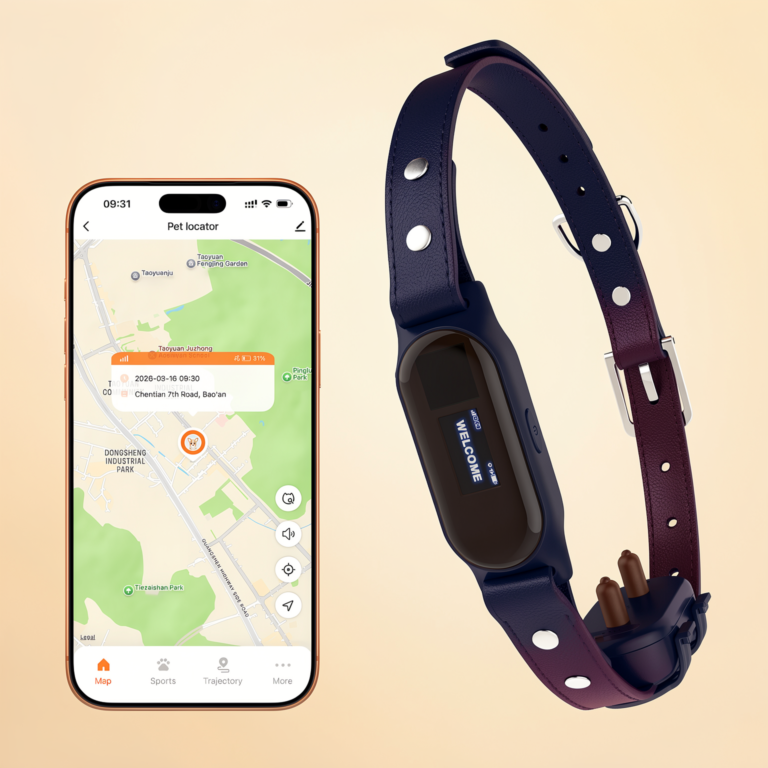

[…] barking, random running, and bad behavioral habits are common problems of medium and large dogs. The 2-in-1 dog training device helps owners standardize pet daily behaviors, whether in daily family breeding or outdoor travel […]
[…] 2-in-1 remote dog training devices represent the third and fastest-growing high-barrier category that is completely immune to cross-border price competition. Unlike basic training collars, professional-grade 2-in-1 devices that combine remote training and electronic fence functionality face insurmountable regulatory and service barriers that Temu sellers cannot overcome. […]