Dr. Lixing Chen, Global Business Strategy, Starvey Global
Abstract
The global pet GPS tracker market is projected to expand at a 12.8% compound annual growth rate through 2035, driven by rising pet humanization and demand for safety and wellness monitoring solutions (Fact.MR, 2025). However, recurring subscription fees remain the single largest barrier to mass-market adoption, creating operational and reputational risks for B2B distributors that carry subscription-based devices. This playbook analyzes the structural limitations of subscription-model GPS trackers from a wholesale distribution perspective, argues that no-subscription humane GPS trackers represent a high-growth, low-risk product category for distributors, and outlines six evidence-based sourcing criteria for product selection. It further provides actionable margin optimization strategies including tiered portfolio pricing, cross-category bundling, vertical channel targeting, and low-risk EXW test-order frameworks. The analysis draws on industry market data and B2B procurement best practices to help distributors build profitable, low-churn pet safety product lines.
Keywords: humane pet GPS tracker, no-subscription pet collar, wholesale pet safety products, distributor margin strategy, IP66 pet tracker, B2B pet tech sourcing
Introduction
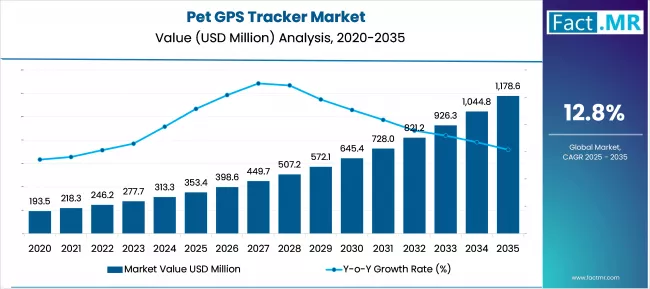
Global pet humanization trends have transformed pet safety and tracking from a niche utility into a mainstream care category. Industry forecasts project the pet GPS tracker market will grow from USD 353.4 million in 2025 to USD 1.18 billion by 2035, as cellular connectivity improves and health monitoring features expand the value proposition beyond basic location tracking (Fact.MR, 2025). For B2B wholesale distributors, this growth represents a significant product expansion opportunity—but only if they select the right business model.
Most dominant market players operate on a subscription-based model, generating recurring revenue from cellular service and cloud data access. While this model creates predictable lifetime value for direct-to-consumer brands, it introduces unique friction and risk for wholesale channel partners. Distributors bear the upfront cost of inventory, handle customer complaints about unexpected fees, and absorb reputational damage when subscription services underperform—yet capture none of the long-term subscription revenue.
This playbook addresses this gap by evaluating the no-subscription GPS tracker model specifically for B2B wholesale distributors. It first examines market growth dynamics and the subscription barrier from a channel perspective, then defines six core sourcing criteria for humane, no-subscription devices, using the Starvey Global SG-GPS-CB-C08PLUS and SG-GPS-CB-C08PX product lines as benchmark examples. Finally, it provides actionable strategies for distributors to optimize margins, reduce inventory risk, and penetrate high-value vertical channels.
1. Market Expansion and the Subscription Trap: A B2B Perspective
1.1 Market Size and Growth Trajectory
The pet GPS tracker industry is in a sustained growth phase supported by both consumer demand and technological advancement. As illustrated in Figure 1, the global market is on track to surpass USD 500 million by 2029 and exceed USD 1.17 billion by 2035, with a 12.8% CAGR over the 2025–2035 forecast period (Fact.MR, 2025).
This growth is fueled by two parallel shifts. On the demand side, pet owners increasingly treat companion animals as family members and are willing to spend on technologies that reduce the risk of pet loss and support proactive health management. On the supply side, miniaturized chips, improved battery efficiency, and 4G/IoT network expansion have made trackers smaller, more reliable, and more capable of indoor and outdoor multi-mode tracking (Fact.MR, 2025).
1.2 The Subscription Barrier: A Channel-Specific Problem
Despite strong top-line market growth, subscription fees remain the primary constraint on mass adoption. Fact.MR (2025) identifies high upfront device costs plus recurring cellular subscription charges as the leading factor slowing penetration, particularly in price-sensitive and emerging markets. For end consumers, the commitment to ongoing monthly fees creates a high decision threshold that suppresses trial and adoption.
For B2B distributors, the subscription model creates even deeper structural disadvantages. Mordor Intelligence (2026) notes that leading subscription-based brands such as Tractive generate the majority of their long-term value from recurring service revenue, not hardware sales. This means distributors carry all the upfront inventory risk and customer acquisition cost, while the manufacturer captures the high-margin, recurring downstream revenue.
Additionally, subscription-based models shift after-sales liability to the channel. When cellular connectivity drops, app features malfunction, or billing disputes arise, end customers direct complaints to their local distributor or retailer—not the overseas brand. This creates support costs and reputational risk for distributors without corresponding upside. For wholesale buyers evaluating the category, this dynamic makes subscription-based trackers a high-friction, low-upside product line.
QiyueTek (2026) emphasizes in its B2B smart pet products buying guide that connected devices with recurring software costs create unpredictable total cost of ownership for distributors, particularly in markets where consumers are resistant to ongoing fees. This aligns with the broader market observation that no-subscription hardware models are gaining traction among price-sensitive and business-to-business buyers who prefer transparent, one-time pricing.
2. The No-Subscription Advantage: Why It Wins for Wholesale Distributors
No-subscription pet GPS trackers operate on a one-time hardware purchase model, with all core tracking and monitoring features delivered through a free mobile app platform. For B2B distributors, this model delivers three measurable advantages over subscription alternatives.
2.1 Lower Conversion Barriers and Faster Inventory Turnover
No-subscription pricing removes the biggest objection from the buying decision. Distributors can present the product as a one-time purchase rather than an ongoing financial commitment, which shortens sales cycles and improves conversion rates at the retail and commercial customer level. This is particularly valuable in emerging markets and price-sensitive segments where consumers are unwilling to commit to monthly fees (Fact.MR, 2025). Faster conversion directly improves inventory turnover, reducing carrying costs and cash flow pressure for distributors.
2.2 Full Margin Retention and Predictable Revenue
Unlike subscription models where the manufacturer captures downstream service revenue, no-subscription devices deliver 100% of product margin to the distributor at the point of sale. There is no revenue share, no revenue clawback, and no dependency on the manufacturer’s billing system. QiyueTek (2026) recommends that distributors prioritize hardware-only connected products for core assortment, as they deliver predictable gross margins and avoid the operational complexity of managing recurring billing across customer bases.
2.3 Reduced After-Sales Liability and Brand Risk
With no monthly service fee, customer expectations are aligned with hardware performance. Support tickets are limited to physical product defects rather than network outages, software glitches, or billing disputes. This dramatically reduces post-sales support costs for distributors. It also strengthens customer trust, because there is no risk of hidden charges, price increases, or service discontinuation—all common complaints with subscription-based pet tech products. This aligns with humane product principles: the pet owner receives full, uninterrupted value from the device without punitive fine print or service lock-in.
3. Six Core Sourcing Criteria for Humane Pet GPS Trackers
Not all no-subscription GPS trackers deliver equivalent value. To build a profitable, low-return product line, distributors should evaluate products against six evidence-based sourcing criteria, benchmarked against industry standards and real-world channel performance.
3.1 Multi-Mode Positioning Accuracy
The single most important functional criterion is reliable positioning across indoor and outdoor environments. Pure GPS-only devices fail in urban canyons, indoor spaces, and remote areas, leading to customer dissatisfaction and returns. Distributors should select devices that support GNSS, GPS, LBS, and Wi-Fi multi-mode tracking, with 4G cellular connectivity for real-time updates and customizable geofence alerts. The Starvey Global SG-GPS-CB-C08 series is engineered to this standard, providing seamless switching between tracking modes to maintain coverage across varied environments.
3.2 Lightweight, Humane Wear Design
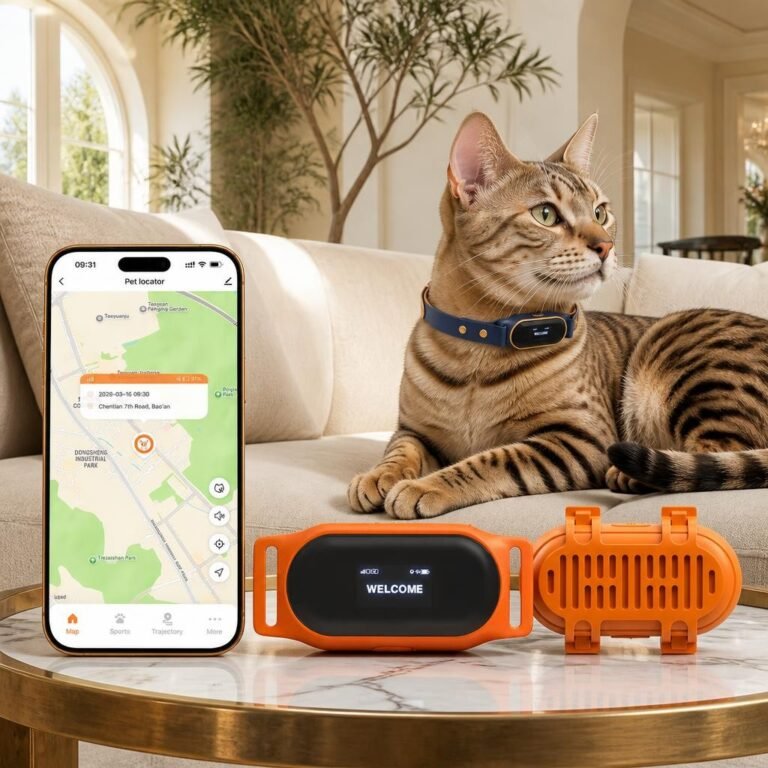
Animal welfare and wear comfort are non-negotiable for humane pet products. Heavy, bulky collars cause skin irritation, stress, and behavioral resistance, particularly for small dogs, cats, and miniature breeds. Fact.MR (2025) notes that demand for compact, lightweight devices is rising fastest in markets with high small-pet ownership, such as Japan. Distributors should target devices weighing 30 grams or less, with clip-on mounting that attaches to any existing collar, harness, or garment rather than requiring a dedicated proprietary collar. The SG-GPS-CB-C08 base model weighs only 27.5g, meeting this standard and minimizing burden on the animal.
3.3 Durability and Battery Reliability
Battery life and waterproofing are the two most cited sources of user dissatisfaction with pet GPS trackers (Fact.MR, 2025). Devices that require mid-week charging or fail in wet conditions generate high return rates and erode customer trust. Distributors should require IP66-rated waterproof housings with ultrasonic welded construction, and minimum standby battery life of 7–10 days for standard models. The SG-GPS-CB-C08PLUS delivers 10+ days of standby life, reducing charging frequency and improving user experience.
3.4 Mature, Zero-Fee Software Ecosystem
The quality of the companion app directly determines user satisfaction, even with no-subscription hardware. Distributors should avoid products using proprietary, niche app platforms that may discontinue service or lack updates. Instead, select devices integrated with established global IoT ecosystems such as Tuya Smart, which provide free, regularly updated apps with multi-language support and multi-device management capabilities. This ensures long-term software support without passing costs to the distributor or end user.
3.5 Tiered Product Portfolio for Segmented Markets
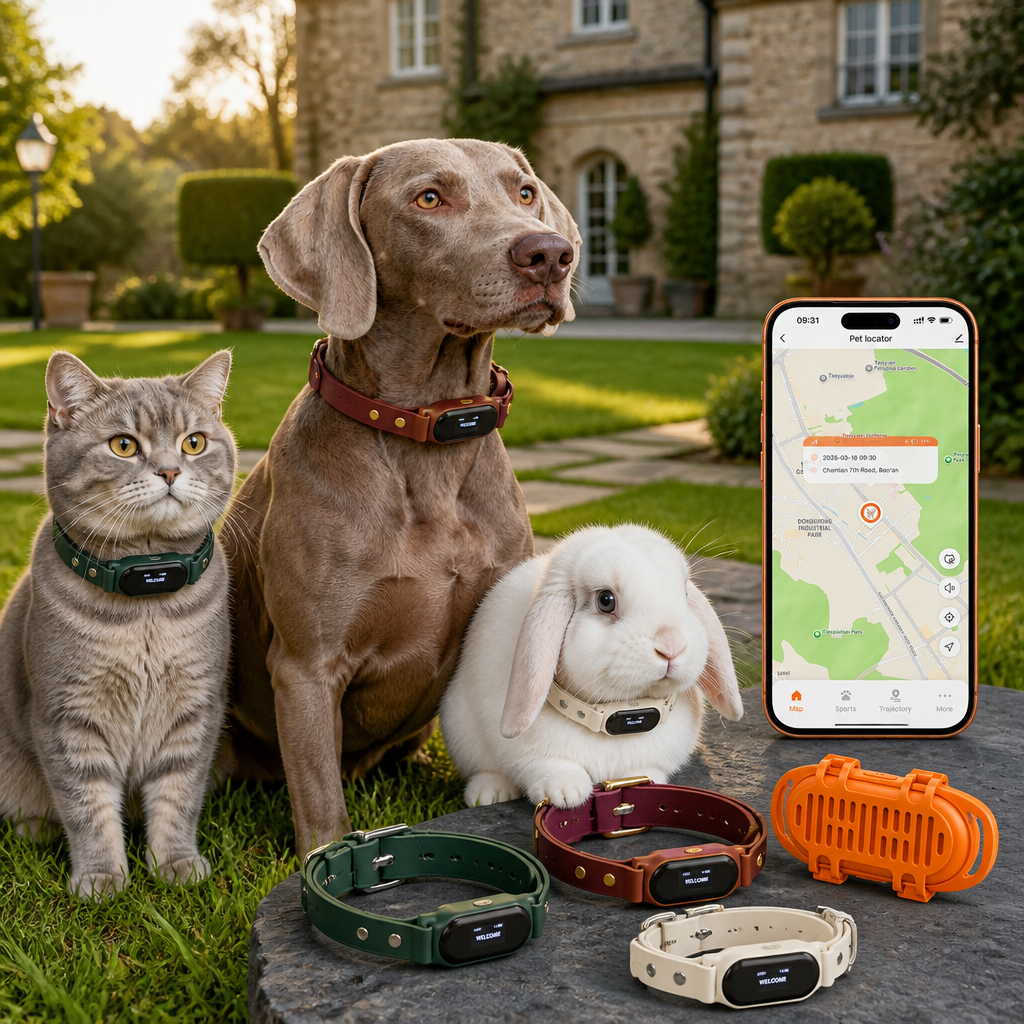
A single SKU cannot serve all customer segments. Distributors should source from suppliers that offer both entry-level and premium models to capture both price-sensitive and high-value customers. For example, the Starvey Global portfolio includes the SG-GPS-CB-C08PLUS as a high-value core model, and the SG-GPS-CB-C08PX premium variant with a removable geo-fence alert module and voice-record electronic name tag. This tiered structure allows distributors to price for different retail channels and use cases without diluting brand positioning.
3.6 Integrated Health Monitoring Functionality
Basic location tracking is increasingly commoditized. The highest-margin products integrate health and activity monitoring features including step counting, sleep quality analysis, calorie tracking, and movement history. Fact.MR (2025) identifies health monitoring as a key differentiator that is transforming trackers from pure safety devices into holistic pet wellness tools. For distributors, adding health features increases perceived value, supports higher price points, and differentiates products from low-cost commodity trackers.
4. Margin Optimization Strategies for Distributors
Selecting the right product is only the first step. Distributors can maximize category profitability through four targeted operational strategies.
4.1 Tiered Pricing Portfolio Strategy
Position the base model (SG-GPS-CB-C08PLUS) as a volume-driving entry SKU to capture mainstream demand and compete with mid-tier alternatives. Position the premium model (SG-GPS-CB-C08PX) as a high-margin offering for specialty pet retailers, professional handlers, and luxury pet service providers. This two-tier structure prevents price erosion at the high end while maintaining competitiveness at the volume end.
4.2 Cross-Category Bundling
GPS trackers pair naturally with complementary pet products to increase average order value. High-performing bundle combinations include:
- Travel bundle: GPS tracker + IATA-compliant pet air crate, targeted at pet relocation services and international pet transport companies
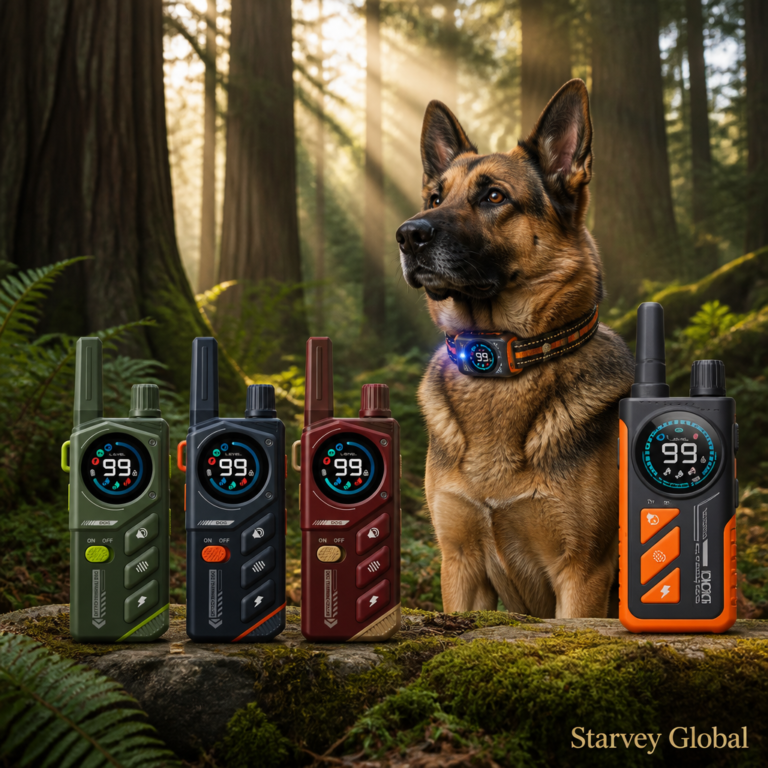
- Training bundle: GPS tracker + humane remote training collar, targeted at working dog handlers and professional trainers Bundling leverages existing inventory and increases per-customer revenue without additional customer acquisition cost.
4.3 Vertical Channel Penetration
Instead of selling generically to all pet retailers, distributors should prioritize high-value vertical channels with specific use cases. Pet relocation companies, kennels, dog daycares, animal rescue organizations, and professional working dog programs all have specialized needs and lower price sensitivity than general consumers. These channels also generate recurring replenishment orders, building stable long-term revenue streams.
4.4 Low-Risk EXW Test-Order Framework
To minimize inventory risk when launching the category, distributors should start with small-batch test orders sourced on EXW terms. EXW (Ex Works) pricing provides full cost transparency, allows distributors to control logistics through their own freight forwarders, and avoids hidden markup in shipping and handling (QiyueTek, 2026). A recommended test order structure is 70% base model and 30% premium model, with a starting MOQ aligned to local market demand. Once sell-through is validated, distributors can scale volume and negotiate improved tiered pricing.
Conclusion
The global pet GPS tracker market offers strong, sustained growth for wholesale distributors, but subscription-based models channel the majority of long-term value and margin to manufacturers while leaving distributors with inventory risk and after-sales liability. No-subscription humane GPS trackers resolve this structural imbalance, delivering faster conversion, full margin retention, and reduced support burden for channel partners.
To succeed in this category, distributors should source products that meet six core criteria: multi-mode positioning accuracy, lightweight humane design, proven durability and battery life, mature zero-fee software, a tiered product portfolio, and integrated health monitoring. When paired with tiered pricing, cross-category bundling, vertical channel targeting, and low-risk EXW test orders, this product category can become a high-margin, low-churn pillar of a pet product wholesale assortment.
As the market continues to expand through 2035, distributors that establish leadership in the no-subscription humane GPS segment now will be best positioned to capture share as consumer and business buyers increasingly reject opaque subscription models in favor of transparent, one-time pricing.