
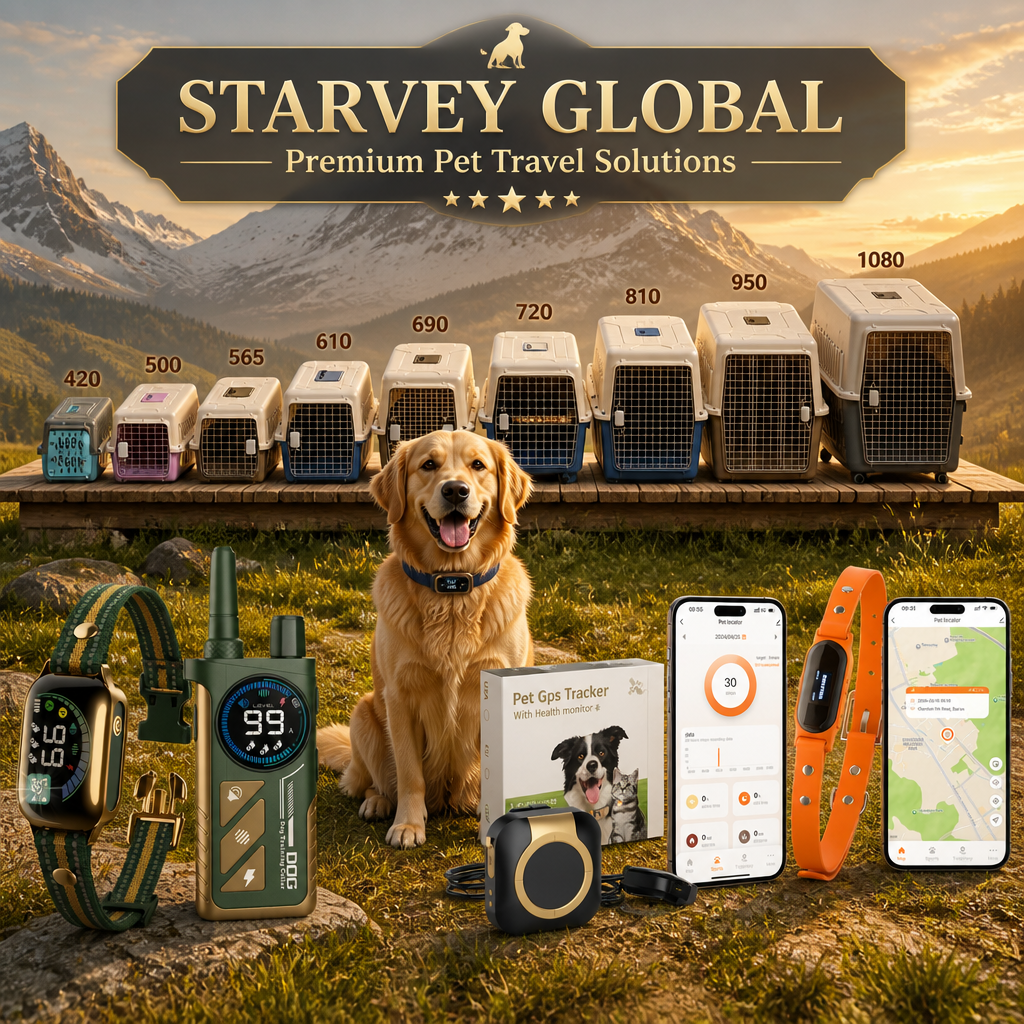
Dr. Lixing Chen, Global Business Strategy, Starvey Global
Abstract
This article analyzes the growth trajectory of Malaysia’s pet care market, with a focus on non-food pet product opportunities for wholesale distributors ahead of the Kuala Lumpur (KL) Pet Expo. Drawing on industry data from Euromonitor International, Pet Fair SEA, and Mordor Intelligence, it breaks down key demand trends, underrecognized market entry barriers, and a phased sourcing strategy tailored to the Malaysian market. The analysis finds that pet humanization, the resurgence of specialty pet retail, and steady economic growth are driving above-average growth in smart wearables and pet travel equipment. The paper further provides actionable guidance on product prioritization, compliance requirements, and trial order structuring for distributors looking to enter or expand in the region.
Keywords: Malaysia pet market, pet product wholesale, KL Pet Expo, pet sourcing strategy, pet humanization, pet travel equipment
1. Introduction
The Malaysian pet care market has entered a sustained growth phase, fueled by rising household incomes, expanding pet ownership, and shifting attitudes toward companion animals across Southeast Asia. For wholesale distributors, the annual KL Pet Expo serves as the most important regional sourcing and networking event of the year, offering direct access to local retailers, service providers, and regional channel partners. However, many distributors enter the show without a calibrated understanding of local demand patterns, regulatory nuances, and high-potential product gaps, resulting in misaligned inventory and missed growth opportunities.
This playbook synthesizes latest market data with on-the-ground channel observations to outline a data-driven sourcing strategy for 2027. It moves beyond generic market overviews to highlight underpenetrated categories, hidden compliance risks, and a structured approach to trial orders that minimizes upfront risk while maximizing long-term market access.
2. Malaysian Pet Market Landscape and 2027 Growth Outlook
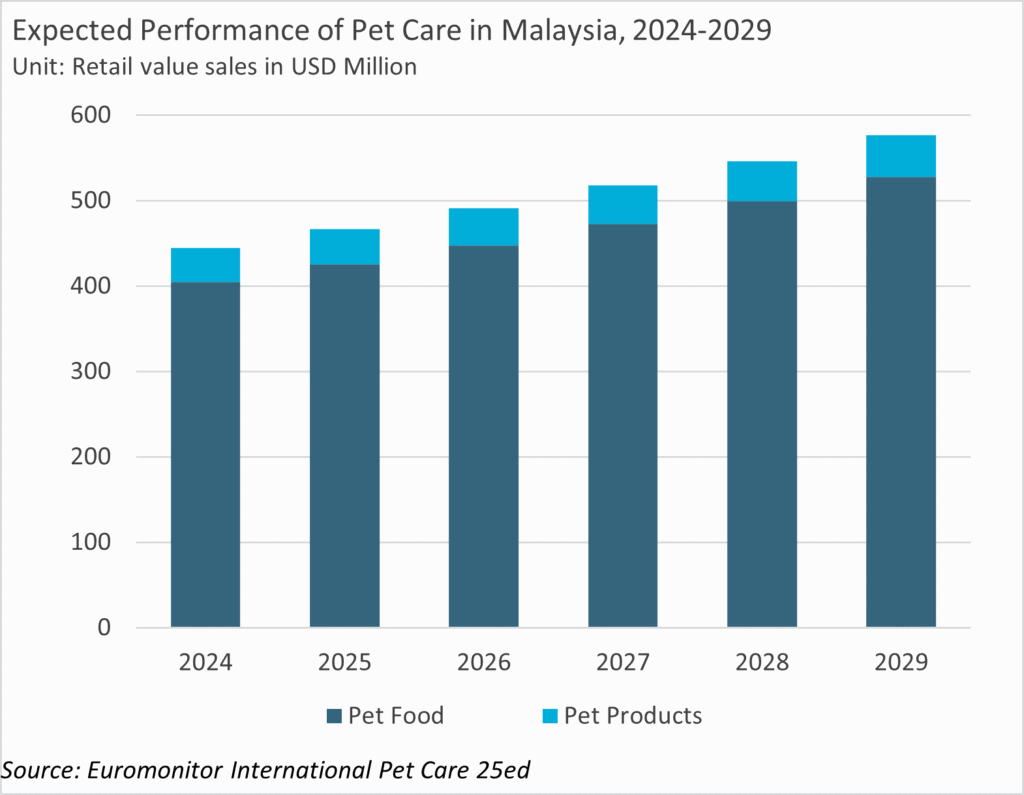
Malaysia’s pet care retail market has expanded steadily since 2020, with both pet food and pet product categories showing positive momentum. Economic recovery, subsiding inflation, and a growing middle class have supported consumer willingness to spend on companion animal products (Pet Fair SEA, 2021). A defining demographic shift is the faster growth of the cat population relative to dogs, with cat owners also showing higher adoption rates of commercial prepared food and premium accessories.
Analysis and Key Insight
While pet food remains the larger category by absolute value, the relative growth rate of non-food pet products is outpacing food growth over the forecast period. This disproportionate expansion signals that the Malaysian market is transitioning beyond basic nutrition into a discretionary welfare spending phase. This transition is consistent with the broader pet humanization trend documented across emerging Southeast Asian markets (Mordor Intelligence, 2021).
A particularly underrecognized strategic implication is the divergence between dog and cat owner behavior. The majority of dog owners still rely partially on home-cooked food to control costs, while cat owners have adopted commercial diets at a much faster rate and show higher willingness to pay for accessory and tech products (Pet Fair SEA, 2021). For distributors, this means cat-specific compact products represent an underserved niche, rather than the dog-focused assortments that dominate most wholesale catalogs.
An additional structural shift is the slowing growth of e-commerce pet product sales and the rising market share of pet shops and superstores. Euromonitor International (2024) notes that pet owners increasingly prefer in-store shopping for the product consultation and expertise it provides. This reverses the pandemic-era e-commerce surge and means distributors must now prioritize retail enablement—including display materials, staff training support, and local after-sales service—rather than competing solely on online price.
3. Key Sourcing Priorities Post-KL Pet Expo: 3 High-Growth Product Categories
Based on market demand trends, channel feedback, and regulatory direction, three product categories are positioned for above-average growth in 2027 and should be prioritized in expo sourcing discussions.
3.1 Humane Dog Training Collars
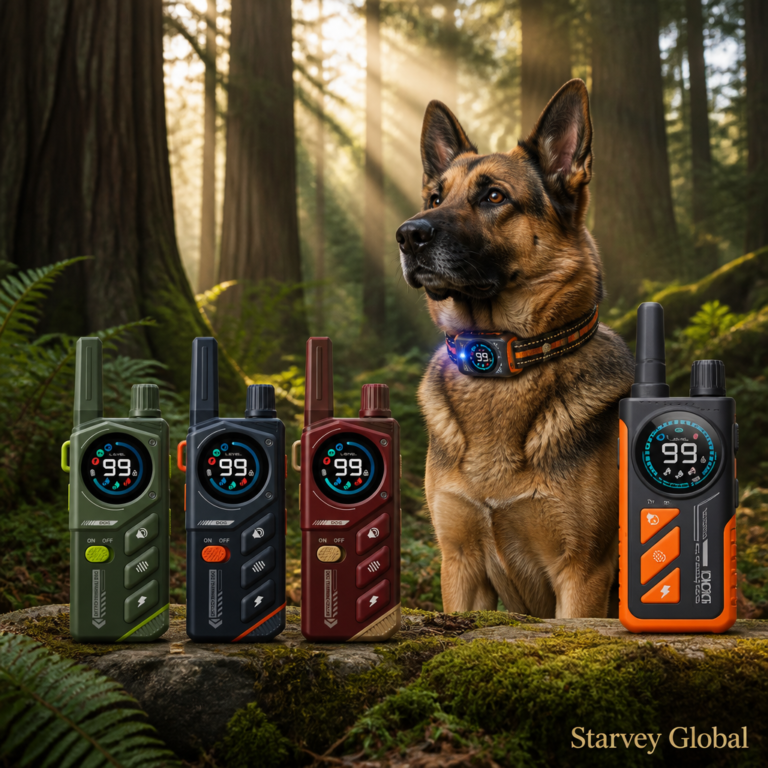
Demand for professional dog training equipment is rising alongside growing interest in obedience training, working dog programs, and urban pet management. However, many low-cost training devices on the market lack certification and carry regulatory risk as regional governments tighten animal welfare rules.
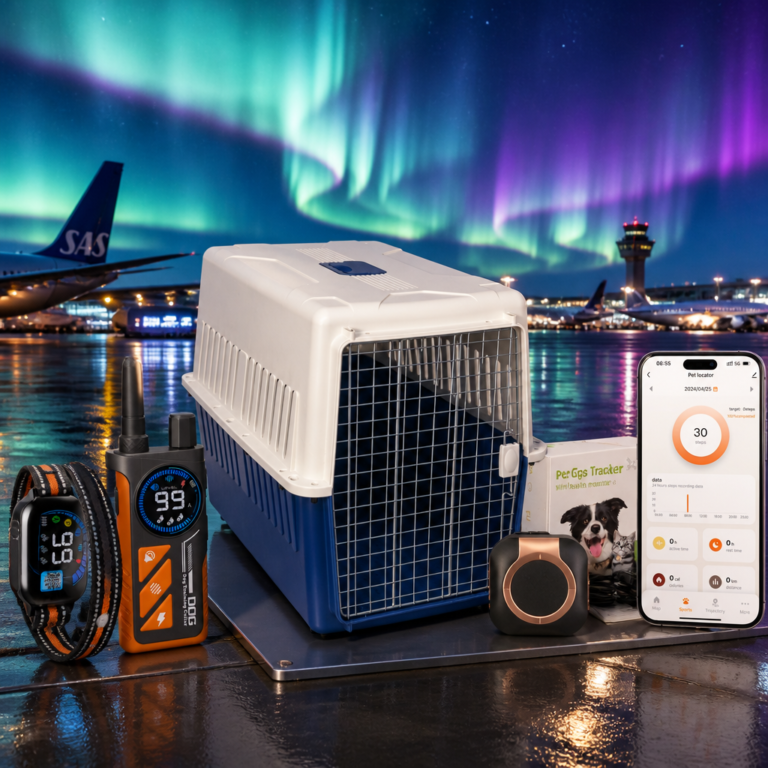
Humane, adjustable training collars with multiple stimulation modes (sound, vibration, static) and full international compliance address both functional and regulatory needs. They are suitable for professional trainers, kennels, and specialty pet retailers serving premium dog owners.
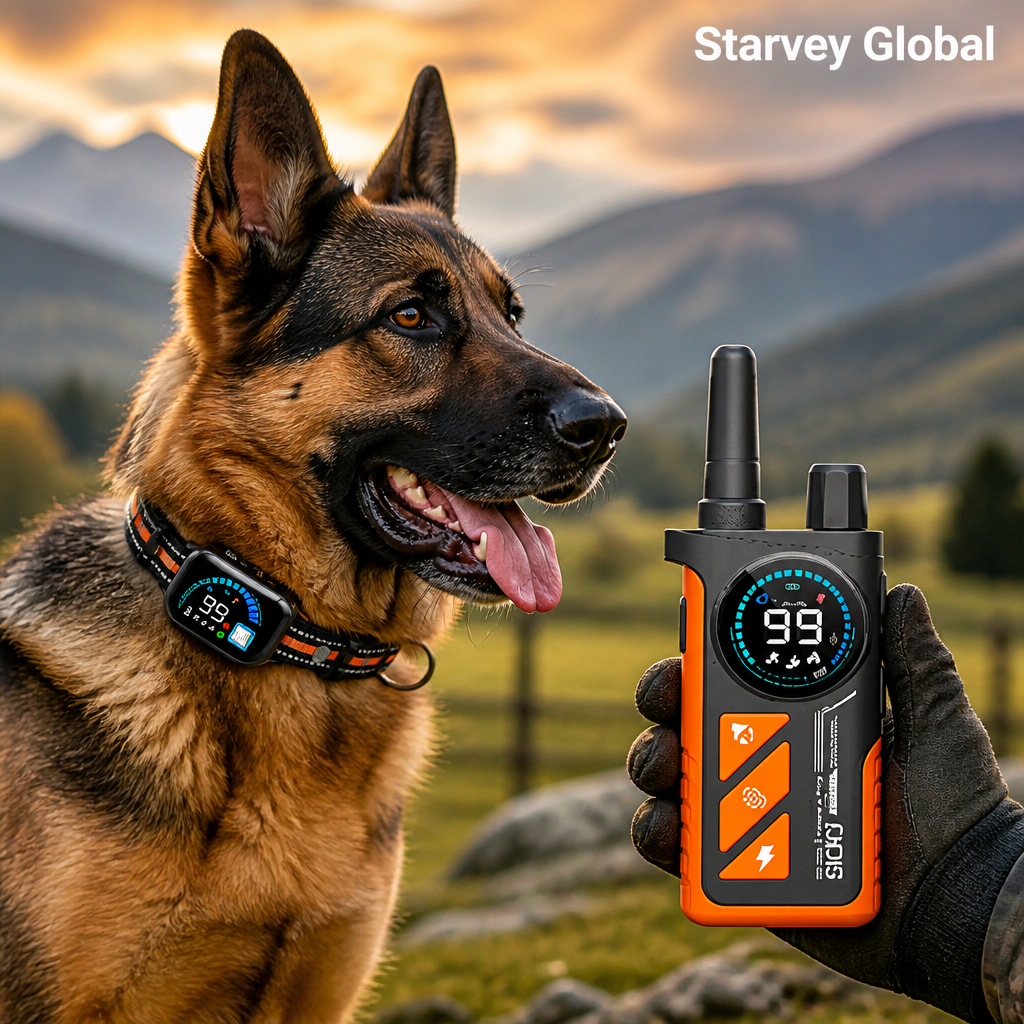
Strategic insight: Most regional distributors still source uncertified low-price training collars. As welfare regulations strengthen across Southeast Asia, distributors that stock verified, compliant devices will capture the premium segment and avoid costly product bans or returns.
3.2 IATA-Compliant Pet Air Crates
Malaysia’s position as a Southeast Asian aviation hub, combined with growing international pet relocation and cross-border travel, has created steady demand for airline-approved pet transport crates. Generic plastic carriers dominate the mass market but fail to meet IATA live animal regulations, creating a supply gap for professional pet relocation services and frequent international travelers.
IATA-compliant crates in multiple size grades serve both B2B service providers and high-end retail customers. They carry higher average order values and lower price sensitivity than general consumer pet accessories.
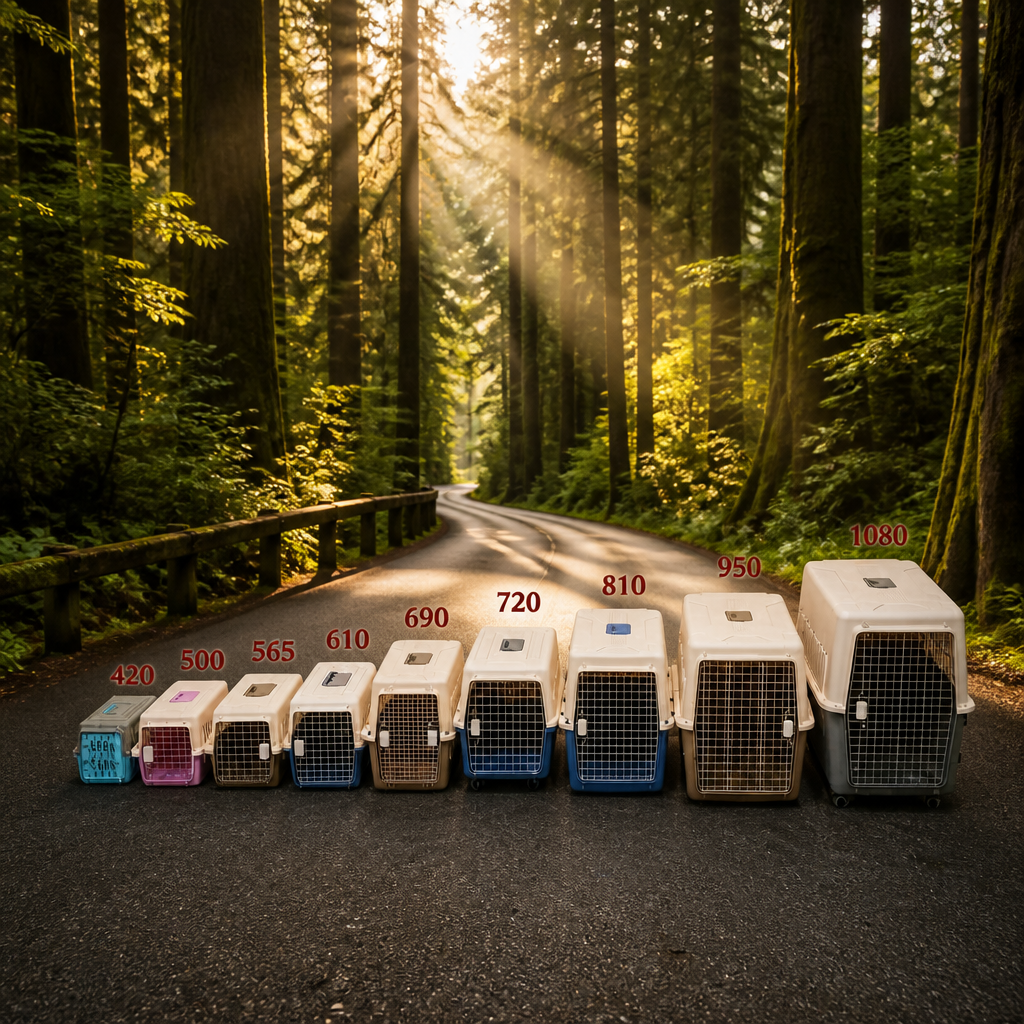
Strategic insight: This category benefits from low direct competition and strong repeat business from pet transport companies. Distributors that can provide full documentation of IATA compliance have a clear differentiation point in a market crowded with non-compliant alternatives.
3.3 No-Subscription 4G Pet GPS Trackers
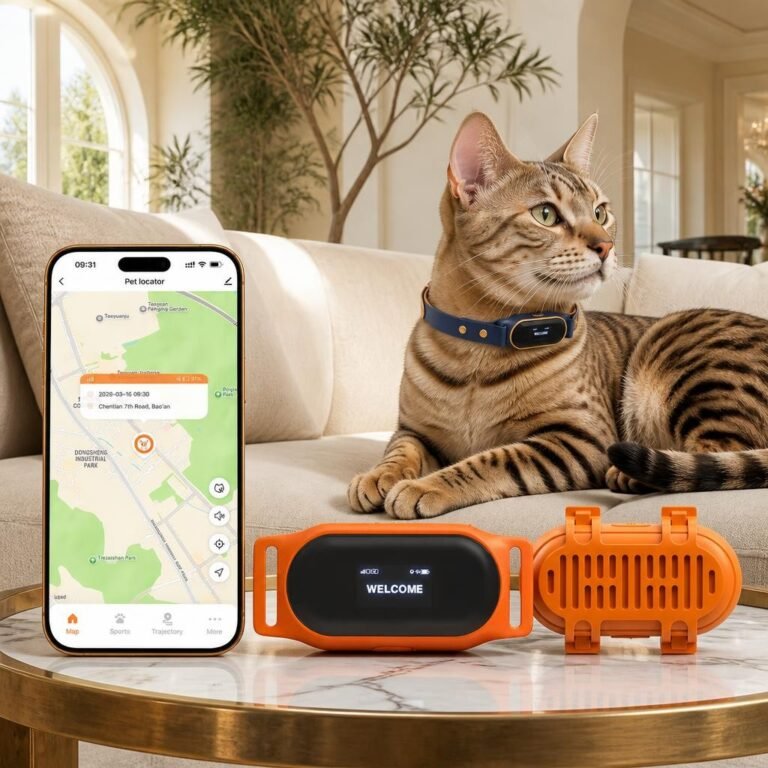
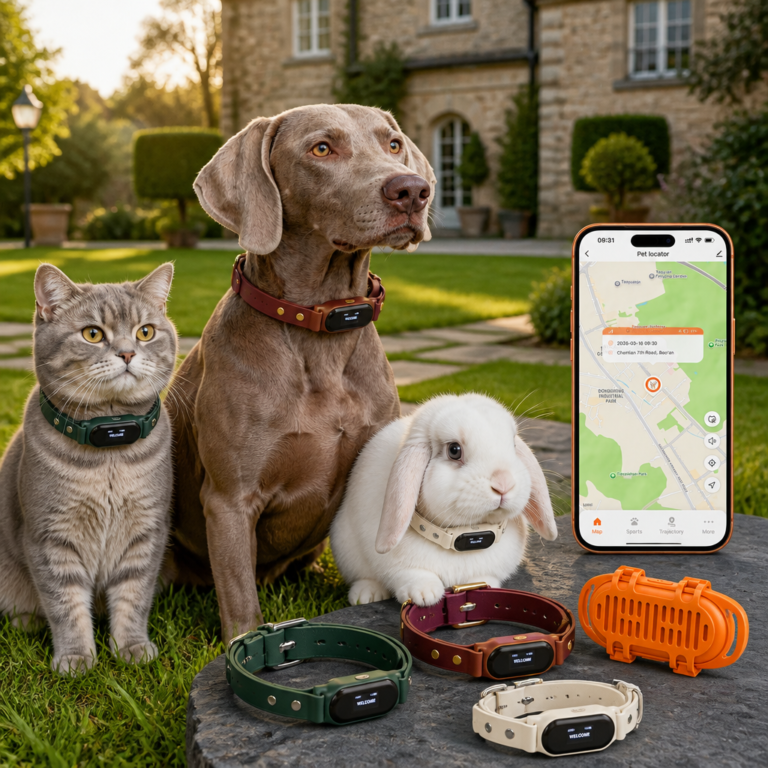
Pet safety and wellness monitoring is one of the fastest-growing segments of pet tech, driven by pet humanization and rising owner concern over lost animals. However, most GPS trackers available in Malaysia require ongoing monthly subscription fees, which create long-term cost resistance and limit adoption.
No-subscription 4G trackers with multi-mode positioning, health activity monitoring, and free app access remove this recurring cost barrier. Compact, lightweight models are especially suitable for cats and small dog breeds, aligning with Malaysia’s shifting pet demographic.
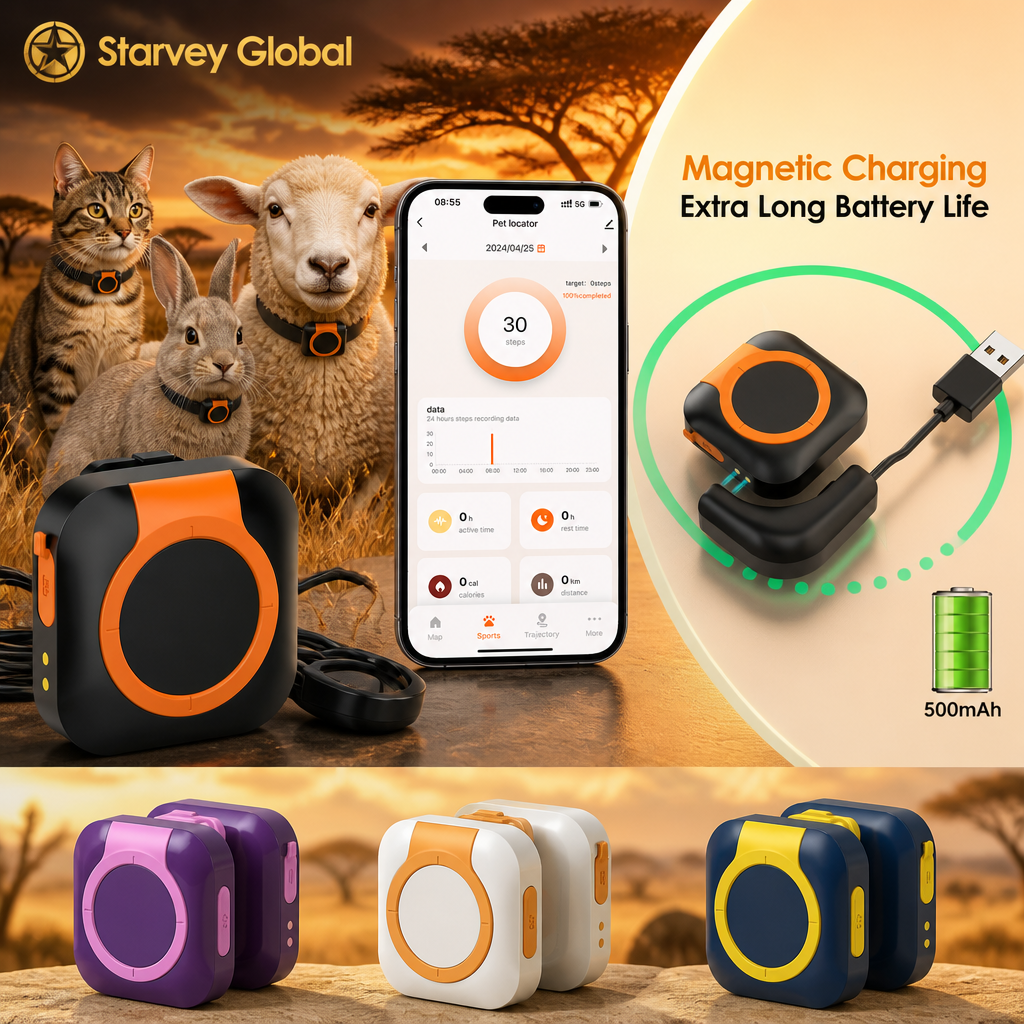
Strategic insight: The no-subscription model is a key differentiator in the Malaysian market, where price sensitivity remains high for recurring charges. This product type also works for both retail sale and B2B deployment by pet boarding, daycare, and relocation services.
4. Hidden Market Entry Barriers for Wholesale Distributors
Successful market entry requires more than selecting the right products. Three underdiscussed barriers often derail new distributors: compliance clarity, after-sales capacity, and channel alignment.
4.1 Compliance and Import Efficiency
For electronic pet products such as GPS trackers and training collars, valid international certification (CE, RoHS) is critical for smooth customs clearance. While Malaysia does not require mandatory local certification for all specialty pet products, shipments lacking proper documentation face lengthy delays and potential rejection.
Many new entrants underestimate the total cost of compliance gaps, which include storage fees, re-export costs, and damaged retailer relationships. Distributors that source pre-certified products with full technical documentation reduce administrative friction and shorten time-to-shelf.
4.2 After-Sales as a Competitive Differentiator
As specialty pet retail regains share, retailers increasingly judge suppliers on after-sales support, not just unit price. Smart pet products in particular carry inherent risk of firmware issues, battery failure, or user error. Without local spare parts and technical backup, a single quality issue can cost a distributor an entire retail account.
This creates an opportunity for suppliers that offer structured warranty programs, spare part kits, and distributor training. For wholesale buyers, selecting a supplier with strong after-sales infrastructure is a more impactful long-term decision than negotiating a slightly lower per-unit cost.
4.3 Channel Alignment with Product Assortment
Malaysia’s pet product market is split between mass-market grocery channels, specialty pet shops, and online platforms. Each channel requires different product positioning, packaging, and price points. A common mistake is importing a single product line and attempting to sell it across all channels. Distributors should align their sourcing mix with their target channel: premium tech and travel products for specialty shops, and value-tier accessories for mass retail.
5. Phased Sourcing Strategy: From Trial Orders to Stable Replenishment
A staged approach minimizes upfront risk while allowing distributors to validate demand before scaling.
Phase 1: Trial Order SKU Mix
For first-time market entry, a mixed trial order of 200–500 units across 3–4 core SKUs is recommended. A balanced assortment based on Malaysian demand patterns would allocate:
- 35% compact cat/small-dog GPS trackers
- 35% humane training collars (mid-range model)
- 30% medium-size IATA-compliant pet crates
This mix balances the faster-growing cat segment with the larger established dog market, and includes both tech and hard goods to spread risk.
Phase 2: Volume Scaling
Once sell-through rates are confirmed with retail partners, expand the assortment by adding size variants and premium models. For example, add large and extra-large crate sizes for working dog and pet relocation clients, or upgrade to advanced GPS models with electronic ID tags.
Phase 3: Margin Optimization
As sales volume stabilizes, negotiate better bulk pricing and consolidate shipments to reduce per-unit logistics costs. At this stage, distributors can also introduce private-label or co-branded options with key retail partners to increase margin.
6. Conclusion
Malaysia’s pet product market offers clear growth potential for wholesale distributors that enter with a targeted, data-informed strategy. The KL Pet Expo provides an ideal platform to initiate supplier relationships, validate pricing, and assess local demand—but success depends on arriving with prior knowledge of category trends, compliance requirements, and channel dynamics.
The core strategic takeaway is that the highest-growth opportunities are no longer in commodity pet food or generic accessories. They lie in welfare-focused, compliance-verified products that serve the pet humanization trend—particularly cat-specific offerings and professional-grade travel and training equipment. By adopting a phased sourcing approach and prioritizing suppliers with strong compliance and after-sales support, distributors can establish a profitable foothold in this expanding market ahead of broader competition.
https://www.bordeaux-hypnoses.fr/blogtherapies/qu-est-ce-que-l-emdr?commentId=2952637d-3fd1-4c1b-ab5d-eb05b4a5b67e