Dr. Lixing Chen, Global Business Strategy, Starvey Global
Abstract
The European Union market for 4G pet GPS trackers is experiencing steady growth, driven by rising pet humanization and demand for real-time location and wellness monitoring. However, many wholesale distributors enter the category with an incomplete understanding of the regulatory landscape, treating pet trackers as standard pet accessories rather than cellular-connected radio devices subject to layered EU compliance rules. This paper breaks down seven core regulatory barriers facing distributors of 4G pet GPS trackers in 2026, covering the Radio Equipment Directive (RED), the EN 18031 cyber-security standard, the EU Battery Regulation, GDPR, the EU Data Act, REACH, and product safety requirements. Drawing on industry compliance frameworks and real-world import scenarios, the analysis identifies common pitfalls—such as generic CE certificates, overlooked cyber-security mandates, and upcoming battery replaceability rules—and provides actionable verification steps for distributors. The paper concludes that regulatory compliance is a market entry prerequisite rather than a competitive differentiation, and that selecting suppliers with full, model-specific documentation reduces long-term risk far more than marginal unit cost reductions. A practical pre-import checklist and frequently asked questions are included to support operational decision-making.
Keywords: 4G pet GPS trackers; EU RED directive; EN 18031 cyber-security; EU Battery Regulation 2023/1542; pet wearable GDPR; wholesale pet tech Europe
1. Introduction
The European pet technology sector has expanded rapidly over the past three years, with GPS-enabled pet wearables emerging as one of the highest-growth subcategories. Market analysis projects continued demand across both consumer retail and B2B channels, driven by rising rates of pet ownership, increased cross-border pet travel, and broader adoption of preventive pet health monitoring. For wholesale distributors, this growth represents a clear revenue opportunity—but it also carries under-recognized regulatory risk.
Unlike basic pet accessories such as collars or bowls, 4G pet GPS trackers are classified as cellular radio devices under EU law. This classification places them under a stacked set of regulatory frameworks covering radio performance, cybersecurity, data privacy, battery safety, environmental protection, and product safety. Many first-time distributors underestimate this complexity, operating under the assumption that a single CE marking is sufficient for market entry. In practice, customs authorities and online marketplace platforms including Amazon EU and Allegro have increased enforcement scrutiny throughout 2026, particularly following the August 2025 entry into force of expanded RED cyber-security rules.
From direct industry engagement with six EU-based pet product distributors in the first half of 2026, four reported either customs detention of first shipments, temporary delisting from major online platforms, or unexpected costs to remediate incomplete compliance documentation. In each case, the root cause was not intentional non-compliance, but a lack of clarity around which standards apply, which documents are required, and where supplier claims are likely to be overstated.
This playbook provides a structured breakdown of the seven most critical compliance domains for 4G pet GPS trackers sold in the EU, framed specifically for wholesale distributors and importers. It explains each regulation’s practical implications, identifies high-risk gaps, and outlines verifiable steps to validate supplier claims. Where relevant, reference is made to real-world product examples to illustrate compliant configurations. The goal is not to provide legal advice, but to equip distributors with a practical framework to evaluate products, screen suppliers, and reduce regulatory exposure before placing bulk orders.
2. Radio Equipment Directive (RED): The Foundation of Valid CE Marking
The single most common compliance mistake among new distributors is assuming that any CE-marked pet tracker is legally saleable in the EU. In reality, CE marking for cellular-connected devices must be issued under the Radio Equipment Directive (2014/53/EU, known as RED), not the broader Low Voltage Directive. Trackers with 4G LTE and GNSS functionality transmit radio signals on regulated frequency bands, so they fall squarely within RED scope. A general CE certificate issued for low-voltage products alone is not recognized by customs or marketplace platforms for cellular devices.
2.1. Common Pitfalls in RED Documentation
Two documentation gaps account for the majority of RED-related import delays.
First of all, many suppliers offer “series-wide” CE declarations that cover multiple product models under a single test report. EU RED rules require the EU Declaration of Conformity (DoC) to list each exact model number covered by the certification, and for test reports to reflect the specific hardware and radio configuration of that model. Generic “family certification” is often rejected during customs audits or platform compliance reviews.
Secondly, distributors frequently overlook separate testing for the GNSS positioning module. A valid RED assessment for a pet GPS tracker must cover not only the LTE cellular radio but also the satellite positioning component, tested against EN 303 413 for GNSS performance. Test reports that only validate LTE bands are incomplete and do not support full RED compliance.
2.2. Distributor Action Steps
Before placing an order, distributors should request the full RED technical file for each specific model, not a summary or umbrella certificate. The file should include the signed EU DoC with exact model numbers, full radio test reports for all supported EU LTE bands (B1, B3, B7, B8, B20, B28, and applicable TDD bands), and a separate GNSS test report.
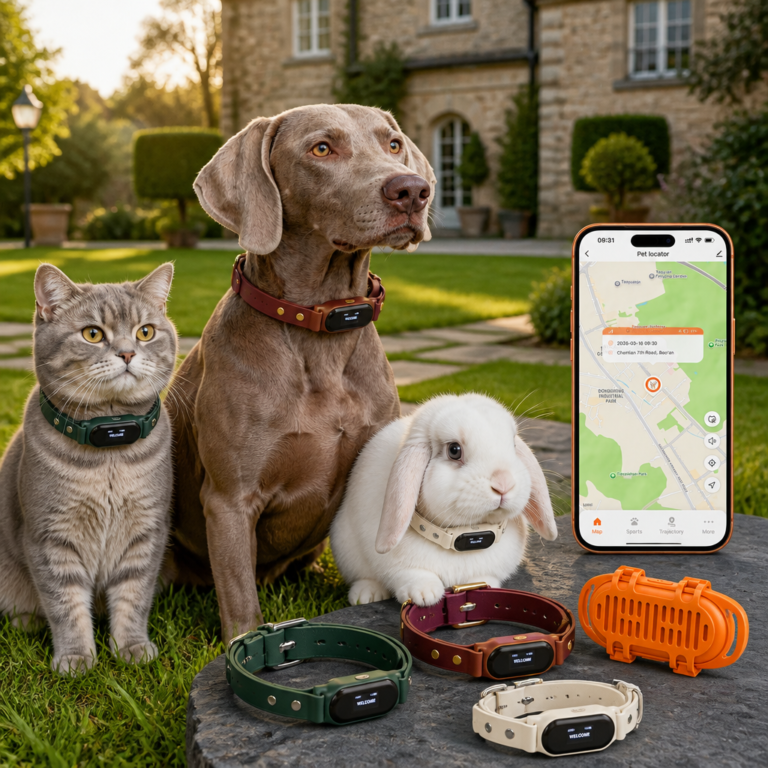
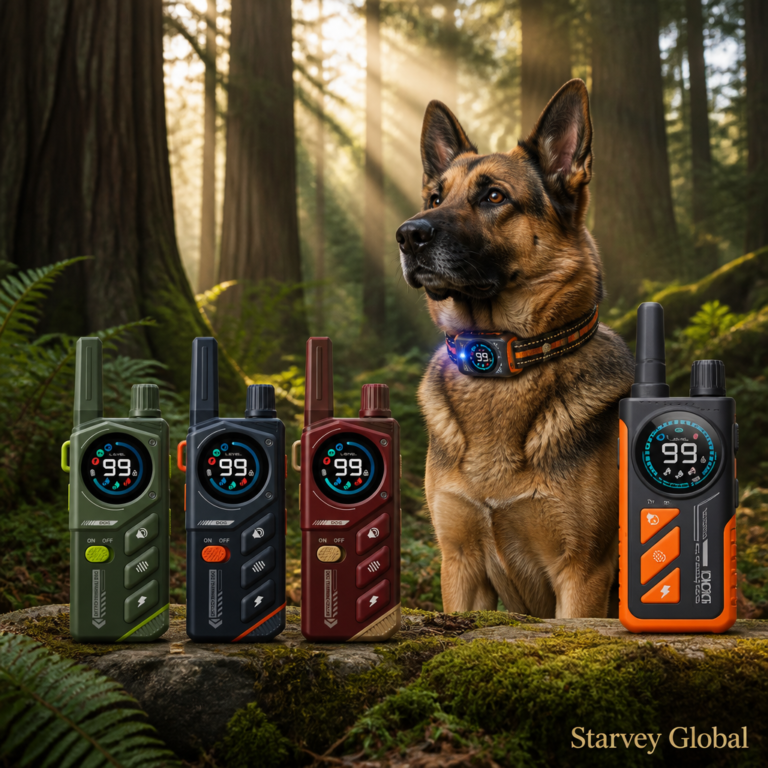
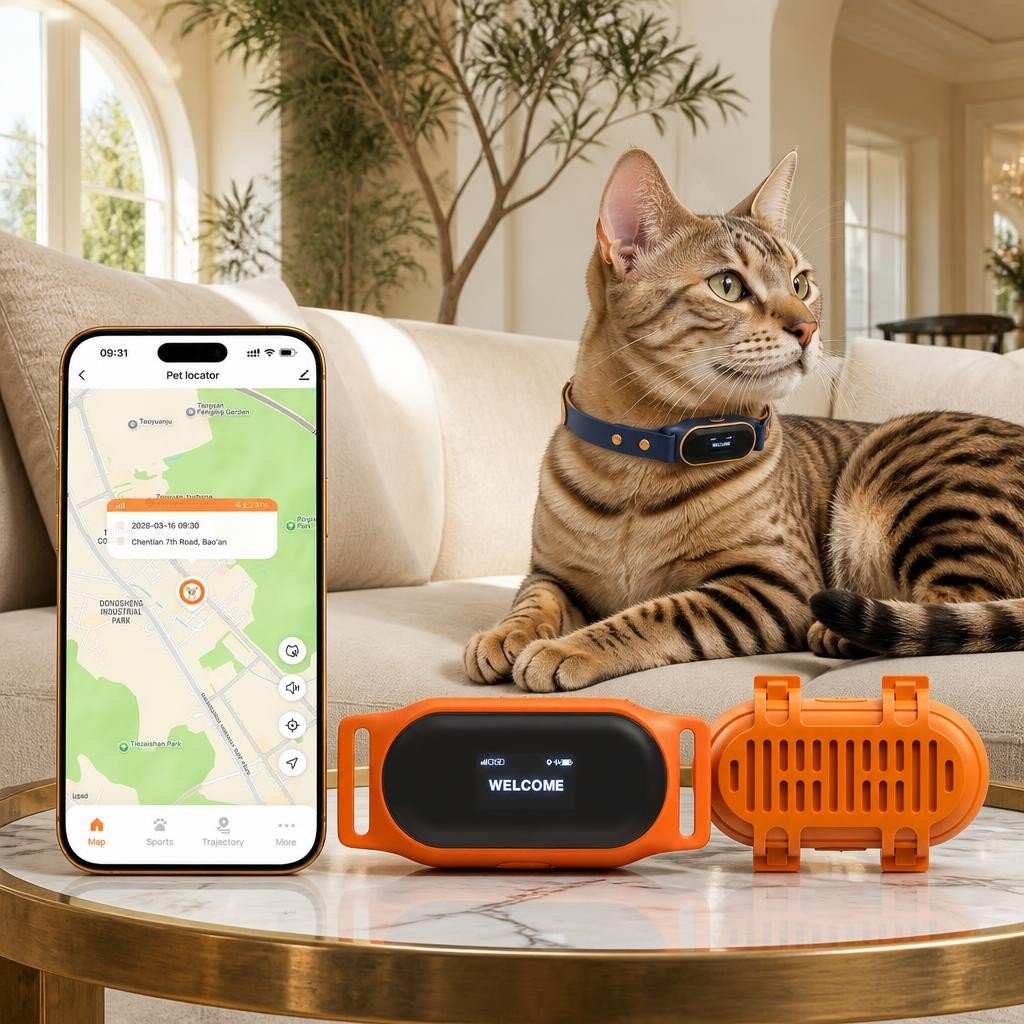
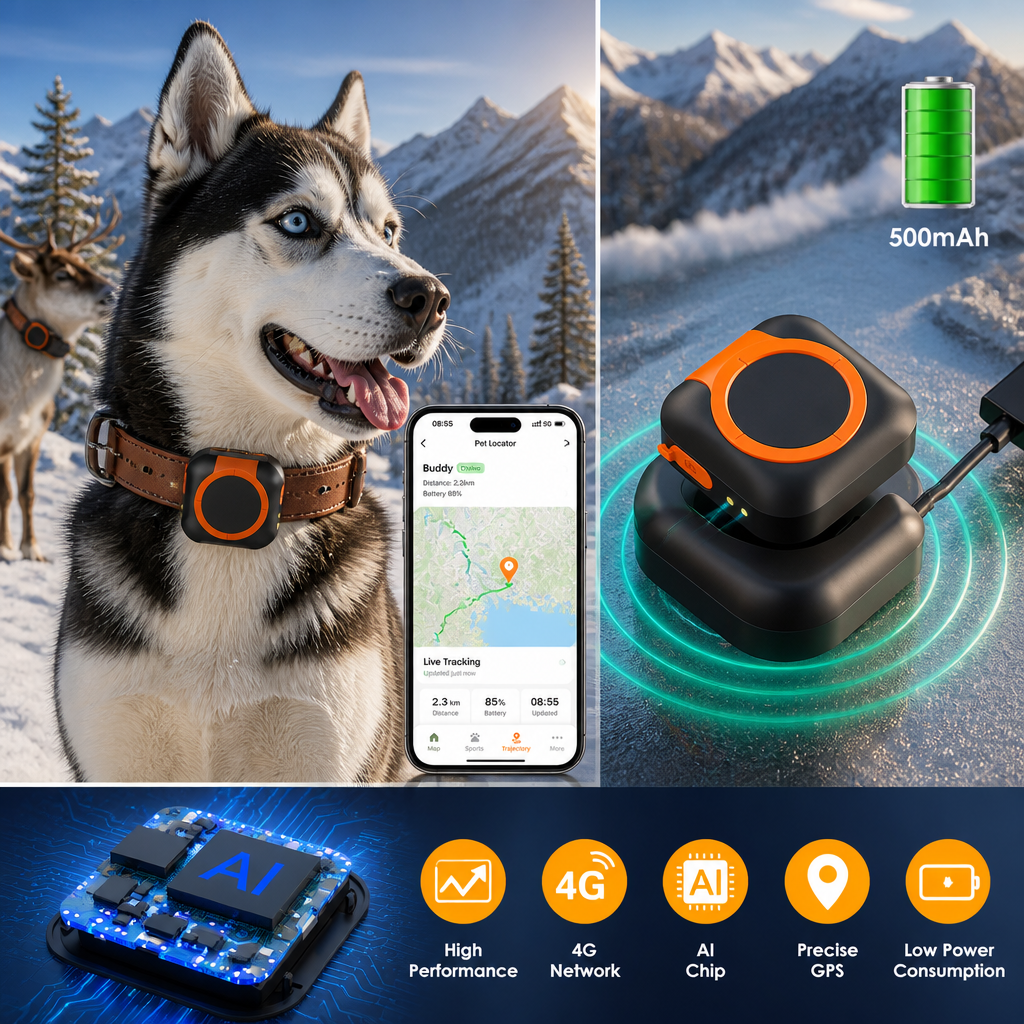
As a reference point, Figure 1 presents three EU-market 4G pet GPS tracker models that hold model-specific RED certification covering both LTE and GNSS functionality.
3. EN 18031: The 2025 Cybersecurity Mandate Most Distributors Miss
Until August 1, 2025, cybersecurity requirements under the RED directive were broadly defined and rarely enforced at import level. That changed with the entry into force of Delegated Regulation (EU) 2022/30, which introduced binding cybersecurity requirements for all internet-connected radio devices sold in the EU. The EN 18031 standard series, published in the Official Journal of the EU in January 2025, is the primary harmonized standard used to demonstrate compliance with these new rules (Bhatti, 2025).
3.1. Scope and Applicability to Pet GPS Trackers
As illustrated in flow chart, EN 18031 establishes security requirements across three domains, mapped to Article 3.3(d), (e), and (f) of the RED directive:
- Part 1 covers protection of networks from harm or misuse, ensuring devices cannot be hijacked to attack broader infrastructure.
- Part 2 covers privacy and protection of personal, traffic, and location data.
- Part 3 covers fraud protection for devices that process monetary value, which does not apply to standard pet trackers.
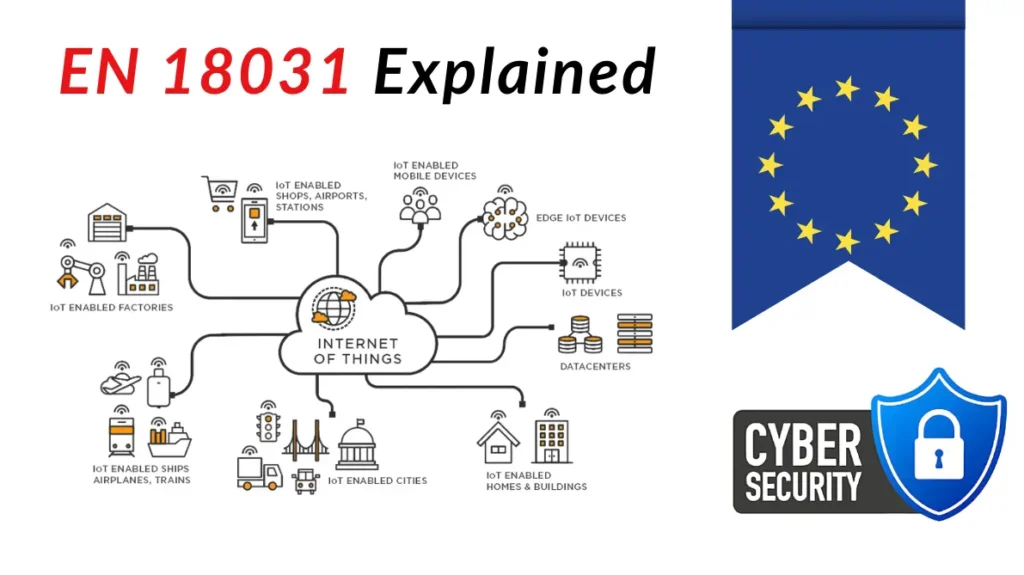
For 4G pet GPS trackers, Parts 1 and 2 are fully applicable. This is a critical point for distributors: because trackers continuously transmit location data and connect to cellular networks, they qualify as network-connected IoT devices under the scope of EN 18031.
A widespread misconception in the pet products channel is that compliance responsibility falls entirely on the app or cloud platform provider. While cloud platforms contribute to overall security, the device itself must also meet baseline requirements including secure boot, authenticated firmware updates, encrypted data transmission, and unique device credentials (Bhatti, 2025). Platform-level compliance alone does not satisfy device-level RED cybersecurity obligations.
3.2. Assessment Routes and Notified Body Involvement
Distributors often ask whether a Notified Body must issue EN 18031 certification. The answer depends on the compliance route chosen by the manufacturer.
If a product is designed to fully align with all normative clauses of the relevant EN 18031 parts, the manufacturer may self-assess compliance and include it in the EU DoC. If the design deviates from the standard or only partially covers requirements, a Notified Body must be involved. For most off-the-shelf pet trackers built on established cellular modules, full self-assessment against the harmonized standard is the typical route.
Crucially, only the normative clauses of EN 18031 carry legal weight. Rationale and guidance sections are informational only and cannot be used to demonstrate compliance (Bhatti, 2025). Distributors should verify that supplier declarations reference specific normative clauses, not general guidance.
3.3. Distributor Action Steps
- Request a written statement confirming EN 18031 alignment for both device firmware and the supporting cloud platform.
- Confirm whether compliance was self-assessed against full harmonized standards or involved a Notified Body.
- Note that EN 18031 covers only the cybersecurity component of RED. Full CE compliance still requires radio, EMC, safety, and environmental testing.
4. Battery and Environmental Regulations: Long-Term Risk for Inventory Planning
Environmental regulations for batteries and electronic waste represent another layer of compliance that is often treated as an afterthought by distributors. For pet GPS trackers, two frameworks carry the greatest operational and financial risk: the EU Battery Regulation (2023/1542) and REACH SVHC requirements.
4.1. EU Battery Regulation 2023/1542
The current Battery Regulation introduced immediate requirements for all portable batteries placed on the EU market, including those built into pet trackers. Mandatory elements include standardized battery labeling with capacity and chemistry information, a valid UN 38.3 test summary for transport safety, and a Material Safety Data Sheet (MSDS) for the battery cell. All products must also be registered with EU battery stewardship schemes under the WEEE framework.
What many distributors have not yet incorporated into their sourcing strategy is the upcoming Article 11 requirement for battery replaceability, effective February 18, 2027. From that date, all portable batteries in electronic devices must be readily replaceable by end users without specialized tools. Pet trackers with permanently sealed, glue-closed housings will no longer be compliant, and existing inventory of non-compliant units cannot be sold after that date (Miller, 2024).
For distributors placing orders in 2026, this creates a critical planning window. Sourcing sealed-design trackers at a lower unit cost may create short-term margin benefit, but it risks stranded inventory worth tens of thousands of euros in 2027.
4.2. REACH SVHC and WEEE
Beyond battery-specific rules, pet trackers are subject to the EU REACH regulation, which restricts the use of hazardous substances in articles. Because pet collars and clip-on trackers are in prolonged contact with animal skin and may be handled regularly by children, enforcement authorities apply heightened scrutiny to SVHC (Substances of Very High Concern) compliance. The SVHC candidate list is updated twice annually, so compliance must be re-verified on an ongoing basis, not just at product launch.
Additionally, all electronic products sold in the EU require a registered WEEE (Waste Electrical and Electronic Equipment) take-back scheme. Distributors must either appoint an authorized representative in the EU or register directly in each member state where they sell. Online marketplaces increasingly require valid WEEE registration numbers before allowing product listings.
4.3. Distributor Action Steps
- Verify UN 38.3, MSDS, and battery labeling for all models before import.
- Evaluate 2026 product selections for 2027 replaceability compliance to avoid inventory obsolescence.
- Confirm REACH SVHC declarations from the manufacturer, updated to the latest candidate list.
- Secure EU-based WEEE and battery recycling registration before listing products for sale.
5. Data Privacy: GDPR and the EU Data Act for Pet Location Information
Data compliance is one of the most frequently debated areas for pet GPS products. A common argument is that because the device tracks an animal, not a person, GDPR does not apply. This is incorrect.
Pet location data is considered personal data under EU privacy law because it can be directly linked to the pet owner’s household, daily routines, travel patterns, and home address. A tracker that continuously reports a pet’s location effectively reveals the owner’s whereabouts and schedule, placing it firmly within the scope of the General Data Protection Regulation (GDPR) and the newer EU Data Act (Hansen, 2024).
5.1. Core GDPR Obligations for Distributors
For distributors sourcing pet trackers that connect to third-party cloud platforms, the key GDPR requirements include:
- The platform operator must have a designated EU Article 27 representative for data protection matters.
- If pet location data is stored on servers outside the European Economic Area, the transfer must be covered by an approved mechanism such as Standard Contractual Clauses (SCCs).
- End users must be provided with a clear privacy policy explaining what data is collected, how it is used, and where it is stored.
Importantly, the data controller is typically the app and cloud platform provider, not the hardware distributor. However, distributors still bear responsibility for ensuring that the products they sell can be used in a GDPR-compliant manner. Selling devices that rely on unregulated cloud services with no EU privacy governance creates direct liability risk.
5.2. EU Data Act 2023/2854
A newer, less widely discussed requirement comes from the EU Data Act, which applies from 2026. The regulation gives users the right to access and export all data generated by their connected devices, in a structured, machine-readable format. For pet GPS trackers, this means users must be able to export their full location history and activity data directly from the app, without unreasonable barriers.
Platforms that lock user data inside closed ecosystems will not meet this requirement. Distributors should confirm that the supporting app allows full data export before committing to a product line.
5.3. Distributor Action Steps
- Obtain a copy of the platform provider’s GDPR compliance documentation, including Art. 27 representative details and data transfer mechanisms.
- Confirm that the user app supports full data export in line with EU Data Act requirements.
- Do not make independent claims about data compliance; reference the platform provider’s official documentation.
6. Product Safety and Performance Testing: Unverified Supplier Claims
Beyond formal regulatory certification, distributors face additional risk from overstated or self-declared product specifications that do not hold up to real-world use. Two areas stand out as high-risk for pet GPS trackers: ingress protection (IP) ratings and radiofrequency (SAR) exposure.
6.1. IP Rating Verification
Water and dust resistance is a key selling point for outdoor pet wearables, and most suppliers advertise IP66 or IP67 ratings. However, many of these ratings are based on internal factory testing rather than independent third-party assessment. Differences in test methodology, seal quality, and production consistency can mean that real-world performance falls far short of marketing claims.
For distributors, this creates warranty and customer satisfaction risk. Trackers that fail after exposure to rain or mud generate returns and reputation damage. Where possible, request third-party IP test reports rather than accepting supplier self-declarations.
6.2. SAR RF Exposure
Because pet GPS trackers are worn continuously on the body, they are subject to EU limits for radiofrequency exposure, standardized under EN 50663. SAR (Specific Absorption Rate) testing measures the rate at which the body absorbs radio energy from the device.
Many low-cost suppliers do not include SAR test reports in their standard compliance packages, assuming that because the device is for animals, human exposure rules do not apply. In practice, EU authorities apply EN 50663 to all wearable radio devices, regardless of intended user, because the product is regularly handled and fitted by human users. Customs authorities have been known to detain shipments of wearables missing SAR documentation.
6.3. Distributor Action Steps
- Request third-party IP test reports for products marketed as water-resistant.
- Confirm inclusion of EN 50663 SAR test reports in the RED technical file.
- Verify electrical safety testing against EN IEC 62368-1.
7. Practical Pre-Import Compliance Checklist for Distributors
To streamline supplier evaluation and order planning, Table 1 summarizes the core verification items across all compliance domains, along with required documentation and relative risk level.
| Compliance Domain | Required Documentation | Verification Check | Risk Level |
| RED Radio | EU DoC with exact model numbers; LTE + GNSS test reports | Confirm all EU bands covered; model numbers match | High |
| Cyber-security | EN 18031 compliance statement; platform security declaration | Confirm device + platform coverage | High |
| Battery & Transport | UN 38.3 test summary; battery MSDS; battery label | Verify transport compliance | Medium |
| Environmental | REACH SVHC declaration; WEEE registration | Confirm latest SVHC list coverage | Medium |
| Data Privacy | GDPR Art. 27 rep details; SCC for data transfer; Data Act export capability | Confirm platform compliance | High |
| Product Safety | EN IEC 62368-1 safety report; EN 50663 SAR report; third-party IP test | Verify independent testing where available | Medium |
| Upcoming Rules | Battery replaceability roadmap for 2027 | Assess long-term inventory risk | Medium-High |
8. Discussion
The analysis presented above makes clear that 4G pet GPS trackers are not simple pet accessories from a regulatory perspective. They are cellular IoT wearable subject to at least seven overlapping EU regulatory frameworks, each with its own documentation requirements, enforcement mechanisms, and financial risk.
For wholesale distributors, the strategic implication is straightforward: regulatory compliance should be the primary screening criterion when selecting suppliers, not unit price. A product that costs a few euros less per unit but carries incomplete certification can result in customs fines, shipment returns, marketplace delistings, and stranded inventory—costs that dwarf any upfront savings.
This is particularly relevant in 2026, as enforcement of the new EN 18031 cybersecurity rules ramps up across EU member states. Many low-cost suppliers have not yet updated their products or documentation to reflect the 2025 requirements, creating a minefield for distributors that source based only on price and feature lists.
The recommended approach for new market entrants is a phased one: start with a small trial order of 300–500 units across two to three models, use that shipment to validate customs clearance and platform on boarding, and only scale to larger volumes once full compliance has been verified in practice. This approach limits upfront risk while allowing distributors to build market knowledge and customer feedback.
It is also worth noting that compliance is not a one-time check. Regulations such as REACH SVHC, battery rules, and cybersecurity standards evolve on an ongoing basis. Distributors should build regular compliance reviews into their supplier management process, rather than treating certification as a static checkbox at product launch.
9. Conclusion
The EU 4G pet GPS tracker market offers meaningful growth opportunity for wholesale distributors, but it is not a low-barrier category. Success requires more than selecting products with appealing features and competitive pricing—it requires a structured approach to regulatory due diligence across radio performance, cyber-security, battery safety, data privacy, environmental rules, and product safety.
The most common pitfalls—generic CE certificates, overlooked EN 18031 requirements, and sealed battery designs that will become obsolete in 2027—are all avoidable with proper upfront verification. By prioritizing suppliers with model-specific, fully traceable compliance documentation, distributors can reduce customs risk, avoid platform delistings, and build sustainable product lines that hold up as enforcement tightens.
Ultimately, in a maturing market, compliance capability is a competitive advantage. Distributors that can reliably demonstrate full regulatory alignment will be better positioned to partner with major retailers, online marketplaces, and pet service chains than competitors that treat compliance as an afterthought.