By Dr. Lixing Chen (Star Lee), DBA | Global Business Strategy, Starvey Global
Abstract
Europe represents one of the world’s most valuable and regulation-intensive smart pet product markets, with accelerating demand for 4G GPS tracking collars among outdoor pet owners and regional distributors. However, many suppliers underestimate two critical market entry barriers: GDPR compliance for location-based IoT devices, and EU-aligned ethical hardware safety standards. This article analyzes how non-compliant inventory exposes European distribution partners to regulatory fines, customs risks, and reputational damage, and outlines how Starvey Global’s 4G GPS collar portfolio addresses these gaps through end-to-end data governance, certified safe materials, and pan-European LTE-M connectivity. The analysis confirms that prioritizing full regulatory compliance creates a defensible long-term competitive advantage for B2B wholesale partners as EU enforcement intensifies.
Introduction
Europe is home to one of the world’s largest and most mature pet care economies, with the regional market projected to sustain steady growth through 2027 (Statista, 2025). Driven by widespread pet humanization and rising participation in outdoor activities such as hiking and cross-border travel with dogs, 4G GPS tracking collars have become a high-priority growth SKU for European wholesale distributors and retail chains.
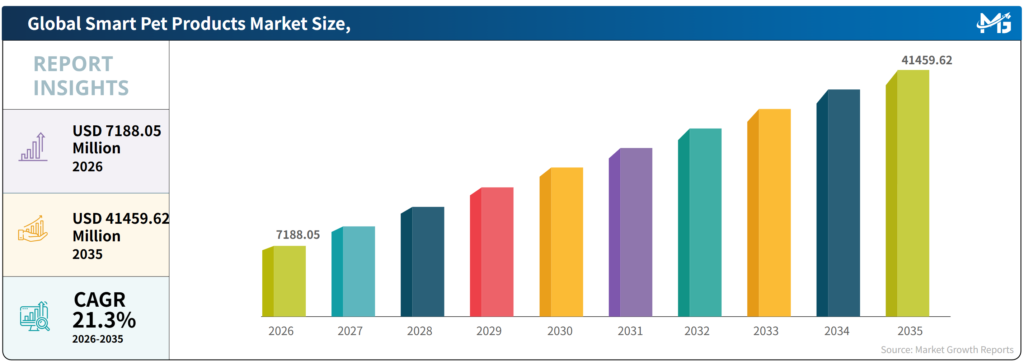
Globally, the smart pet products sector is forecast to expand at a 21.3% compound annual growth rate, rising from USD 7,188.05 million in 2026 to USD 41,459.62 million by 2035 (Market Growth Reports, 2025). Europe accounts for roughly 22% of global smart pet product revenue, making it a high-value target market for international suppliers.
Yet successful market entry depends on far more than tracking range and battery life. GPS-enabled wearables collect and transmit geolocation data linked to identifiable pet owners, placing them fully within the scope of EU data protection rules. At the same time, European regulators and consumers enforce strict requirements for non-toxic materials, low electromagnetic radiation, and animal-friendly product design. Low-cost are not certified products leave import partners exposed to administrative fines, shipment seizures, and customer liability claims.
This article explains how GDPR compliance and ethical hardware design create measurable competitive advantages for European distributors, and why Starvey Global’s 4G GPS collar ecosystem is engineered to satisfy the full scope of EU market entry requirements.
GDPR Compliance: Mitigating Legal and Reputational Risk for European Distributors
The EU General Data Protection Regulation (GDPR), formally defined in Regulation (EU) 2016/679, establishes uniform data privacy and security rules for all products that process personal data of EU residents (European Parliament & Council of the European Union, 2016). Because 4G GPS pet collars process real-time location data linked to individual pet owners, they are classified as internet-of-things devices subject to full GDPR obligations.
For European distributors, this is not a secondary administrative detail. GDPR violations can result in administrative fines of up to 4% of annual global turnover or €20 million, whichever is higher, alongside consumer compensation claims and lasting damage to retail brand reputation. Many budget GPS collars on the market route location data to unregulated third-party cloud servers, lack end-to-end encryption, and offer no mechanism for users to request permanent data deletion. Each of these gaps creates cascading liability for every business in the supply chain, from importers to physical retailers.
Starvey Global’s 4G GPS collar architecture is built to eliminate this risk for wholesale partners:
-
- End-to-end encryption: All location and device telemetry data is encrypted in transit and at rest, meeting GDPR integrity and confidentiality requirements.
-
- EU data residency option: For enterprise distribution and retail chain partners, device data can be hosted on EU-based cloud infrastructure to comply with cross-border data transfer rules.
-
- Data minimization design: The system only collects data required for core tracking functionality, with no unnecessary harvesting of user behavioral information, aligned with GDPR’s data minimization principle.
-
- Full compliance documentation: Partners receive complete data processing paperwork to support their own GDPR record-keeping and customer disclosure obligations.
For distributors, this translates to lower legal exposure, faster on boarding for large retail clients, and a clear value advantage over generic is not certified of GPS products.
Ethical Hardware Design: Aligning with EU Animal Welfare and Environmental Standards
Beyond data regulation, European consumers and regulators place exceptionally high priority on animal safety, non-toxic materials, and environmental sustainability in pet products. For wholesale buyers, ethical design is no longer a marketing bonus—it is a prerequisite for shelf access and long-term customer loyalty.
Material Safety and Environmental Compliance
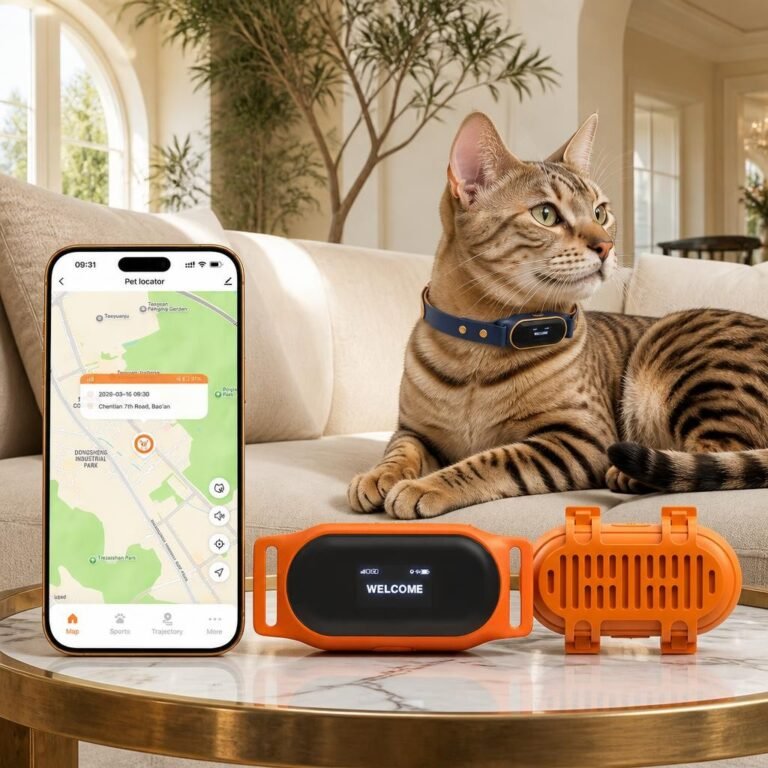
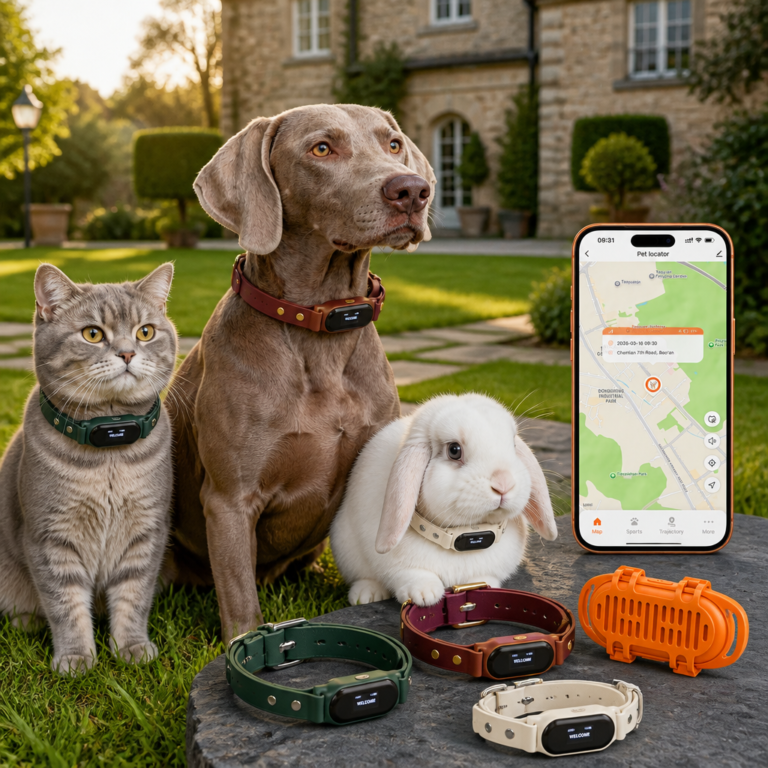
All Starvey Global 4G GPS collars meet EU RoHS 2 and REACH substance restriction standards, which prohibit hazardous heavy metals and restricted chemical compounds in device housing, straps, and internal electronic components (European Commission, 2023). Collar contact points and straps use pet-safe, hypoallergenic materials validated for prolonged skin contact, eliminating irritation risk even with daily long-term wear. This is a critical distinction from budget alternatives that use low-grade plastics and untested hardware, which commonly trigger skin reactions and drive costly product return rates for retailers.
Electromagnetic Radiation Safety
Wearable electronic devices for pets fall under EU CE RED (Radio Equipment Directive) requirements for specific absorption rate (SAR) radiation limits. Starvey Global’s 4G LTE-M collars hold full CE certification, with measured radiation output well below EU maximum safety thresholds. All safety claims are verified through independent third-party laboratory testing, providing distributors with auditable proof of compliance to satisfy both regulators and animal welfare-focused consumers.
Outdoor Durability for European Climate Conditions
Europe’s diverse outdoor environments—from Alpine hiking trails to rainy Nordic forests and coastal Mediterranean routes—demand rugged, weather-resistant hardware. Starvey Global GPS collars carry an IP67 dustproof and waterproof rating, withstanding heavy rain, mud, and temporary submersion. The reinforced strap and shock-resistant housing are engineered for active working dogs and extended outdoor adventure use, reducing warranty claims and improving long-term customer satisfaction.
4G LTE-M Connectivity: Reliable Performance Across European Telecom Networks
Tracking reliability is the core functional value of a GPS collar, and real-world performance depends on compatibility with local cellular infrastructure. Low-power wide-area (LPWA) networks, including LTE-M, are expanding rapidly across Europe, with connected IoT devices projected to grow steadily through 2027 (Statista, 2025). Major regional operators including Vodafone, Deutsche Telekom, and Orange have rolled out extensive LTE-M coverage across both urban and rural areas.
Compared to standard consumer 4G devices, LTE-M narrow-band technology delivers three key advantages for the European market:
-
- Deep rural coverage: LTE-M signals penetrate more effectively into forests, mountain valleys, and remote hiking regions, reducing tracking dropouts in popular European outdoor recreation destinations.
-
- Extended battery life: Low-power narrowband connectivity extends collar standby time to multiple weeks, eliminating the frequent charging complaints that drive negative product reviews and high return rates.
-
- Cross-border compatibility: The hardware supports all major European LTE-M frequency bands, operating seamlessly across EU member states for cross-border pet travel use cases.
For distributors, this means a single SKU can serve markets from Scandinavia to Southern Europe, reducing inventory complexity and simplifying regulatory certification across multiple countries.
Conclusion
Europe’s fast-growing smart pet tech market offers substantial revenue upside for wholesale distributors, but long-term success depends on more than competitive pricing and basic tracking features. As GDPR enforcement tightens and consumer demand for ethically designed pet products continues to rise, compliant, safety-validated 4G GPS collars will consistently outperform generic alternatives in both retail sell-through and long-term partner retention.
Starvey Global’s portfolio addresses the full scope of European market barriers: GDPR-aligned data governance to reduce legal liability, CE/RoHS-certified ethical hardware to meet animal welfare and environmental standards, and EU-wide LTE-M connectivity for reliable cross-market performance. For regional distributors, partnering with a supplier that prioritizes end-to-end compliance eliminates hidden operational risks, accelerates retail onboarding, and creates a defensible competitive edge in an increasingly crowded product category.